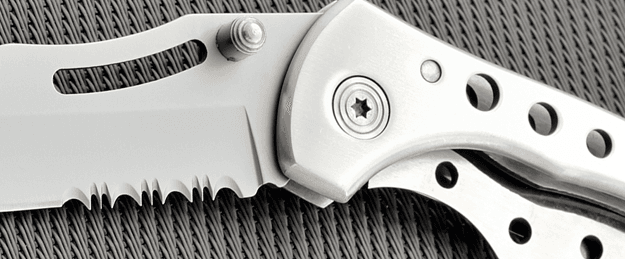

Raw Material Inspection
Conduct incoming inspection of aluminium alloy or zinc alloy raw materials to confirm that the material composition and quality comply with specifications to ensure the basic quality of die-cast products.
Manufacture High-Precision Zinc Alloy And Aluminium Alloy Die-Casting Products
Specializes in zinc alloy and aluminium alloy die-casting processes. Through precision mold design and strict process control, we ensure that die-casting products have excellent dimensional accuracy and high consistency. Zinc alloy and aluminium alloy die-casting products can be precision dimensional controlled according to product requirements, and matched with precision measurement equipment to ensure that product tolerances and quality meet customer specifications.
Professional Precision Dimensional Control, Stable And Reliable Quality
Adopts precision molds and stable die-casting processes to strictly control the dimensions of zinc alloy and aluminium alloy die-casting parts, so that the products can meet high standards in terms of dimensional accuracy, stability and repeatability. With complete process management and quality inspection, the company can ensure that aluminium alloy and zinc alloy die-casting products meet customer requirements in terms of dimensional accuracy, quality stability and production efficiency, and provide customized die-casting solutions.
1. High Dimensional Accuracy
The die-casting process can effectively control product dimensional tolerances, so that the finished product has high precision and good consistency, reducing the need for subsequent processing.
2. Excellent Surface Quality
The surface of die-cast products is smooth and meticulous, and can be directly subjected to surface treatments such as spraying, electroplating, and powder coating to enhance product appearance and added value.
3. Complex Structure Integrated Into One Piece
Die-casting technology can produce thin walls, ribs, holes and complex geometric structures, achieving multi-functional integrated design and reducing the need for parts assembly.
4. High-Efficiency Mass Production Capability
The die-casting process has a short production cycle and is suitable for mass production. It can effectively improve production efficiency and reduce unit costs.
5. Stable Quality And High Repeatability
Through precision molds and strict process control, we can ensure stable product quality and maintain the consistency of batch production.
6. High Material Utilization Rate
The runner and edge materials in the die-casting process can be recycled and reused, effectively reducing material waste and improving production efficiency.
7. Good Structural Strength
Die castings can improve product rigidity and strength through structural design (such as reinforcing ribs), ensuring product durability while maintaining lightweight.
8. Customized Manufacturing Capabilities
Can optimize product design and mold development according to customer needs, and provide customized die-casting solutions to meet the application needs of different industries.
The main differences between REACH and RoHS
RoHS: Mainly targeting electronic and electrical products, 10 substances are mandatory and prohibited.
REACH: For all chemicals and items entering the EU, "information disclosure" and "use authorization" are mainly required.
Conduct incoming inspection of aluminium alloy or zinc alloy raw materials to confirm that the material composition and quality comply with specifications to ensure the basic quality of die-cast products.

Conduct design evaluation and mold trial confirmation during the mold development stage to ensure that the mold structure and product dimensions meet the design requirements.

After the trial production of the product, first-piece inspection is conducted to confirm that the product size, appearance and functions comply with the drawings and customer specifications.

During the production process, die-casting parameters (such as temperature, pressure, injection speed, etc.) are continuously monitored and inspected to ensure process stability.

Dimensional inspection is carried out through measuring equipment, and product appearance defects such as pores, cold insulation, burrs or surface defects are checked.

Confirm the quality of post-processing processes such as machining, sandblasting, electroplating or painting to ensure that the product meets the final quality requirements.

After completing all processes, the finished product is inspected to confirm that the size, appearance and functionality meet customer specifications.

Final quality confirmation and packaging inspection are carried out before product shipment to ensure that the product is transported safely and meets customer needs.
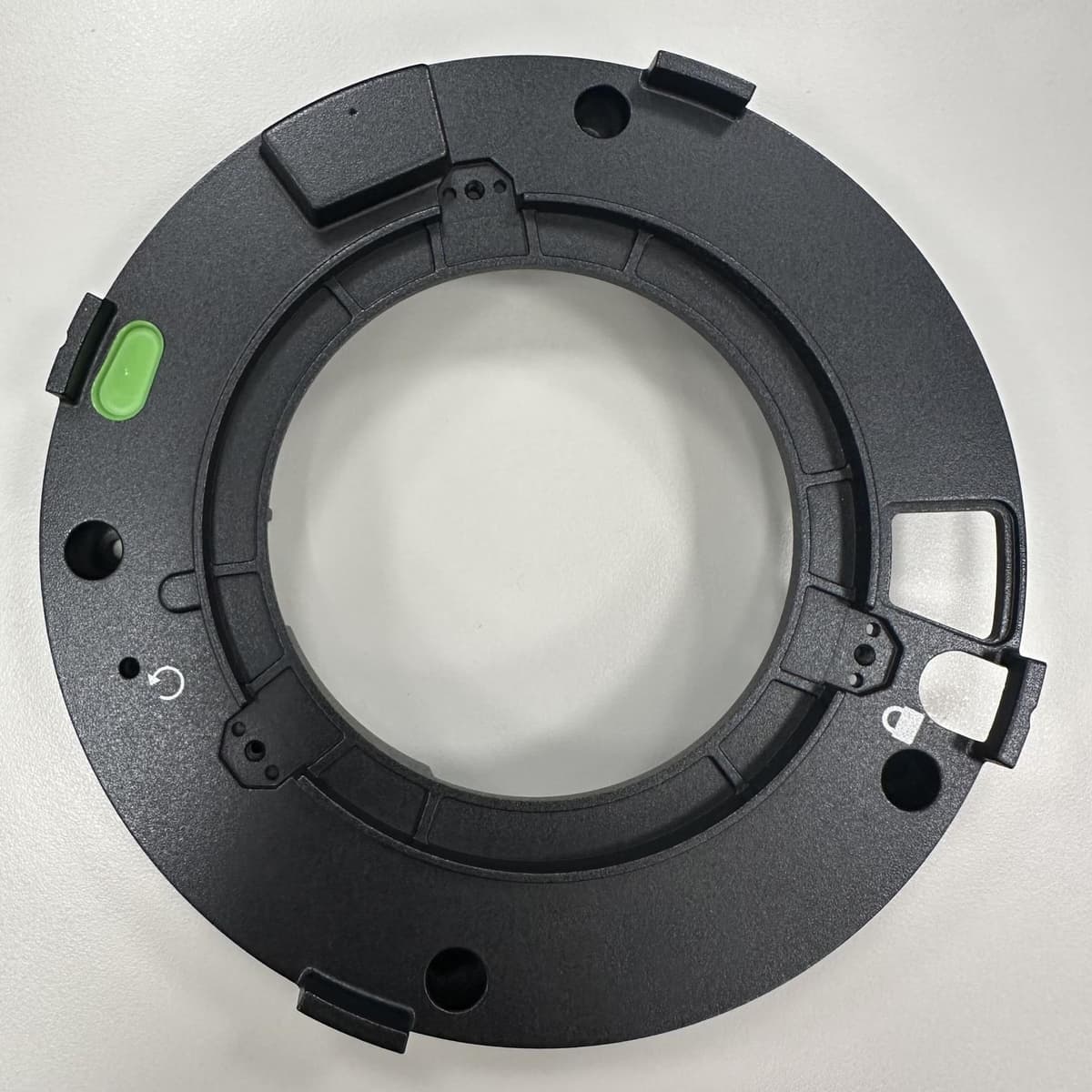
Aluminium alloy Ø137XH23mm paint treatment
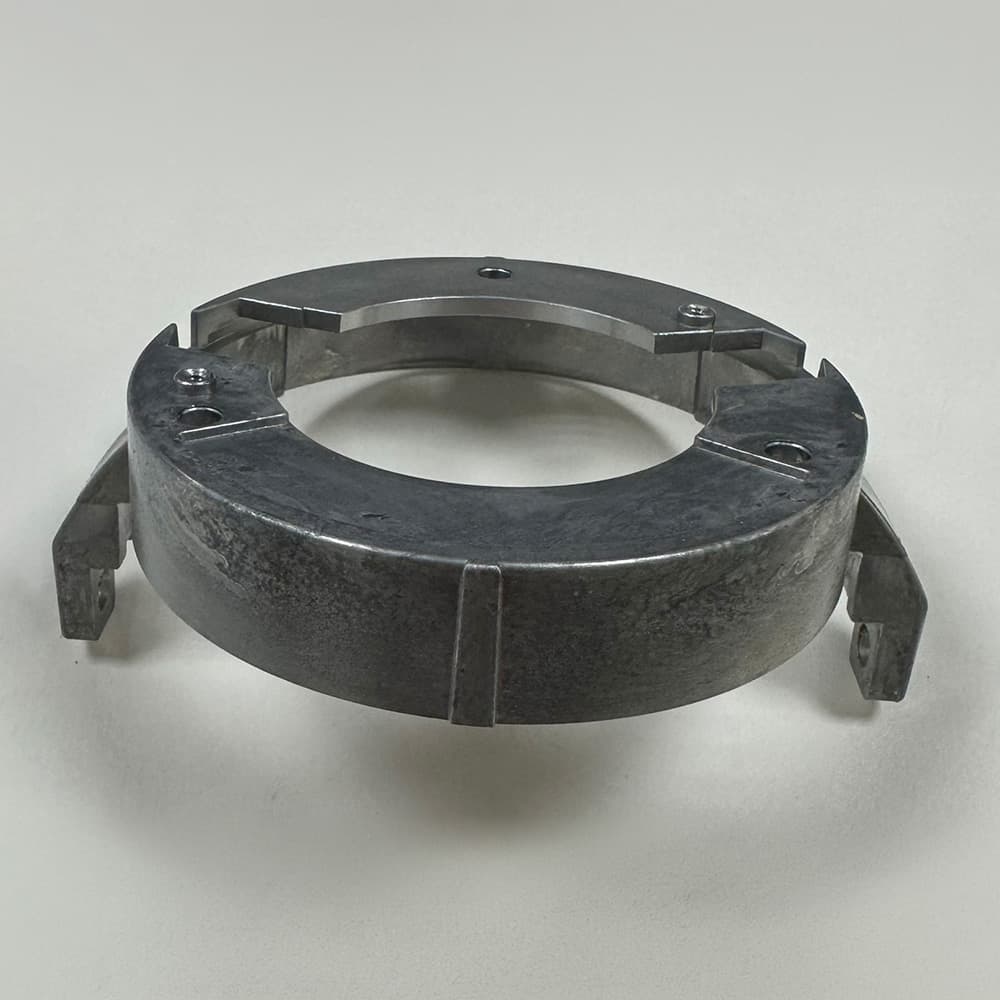
Aluminium alloy Ø73XH27mm CNC lathe
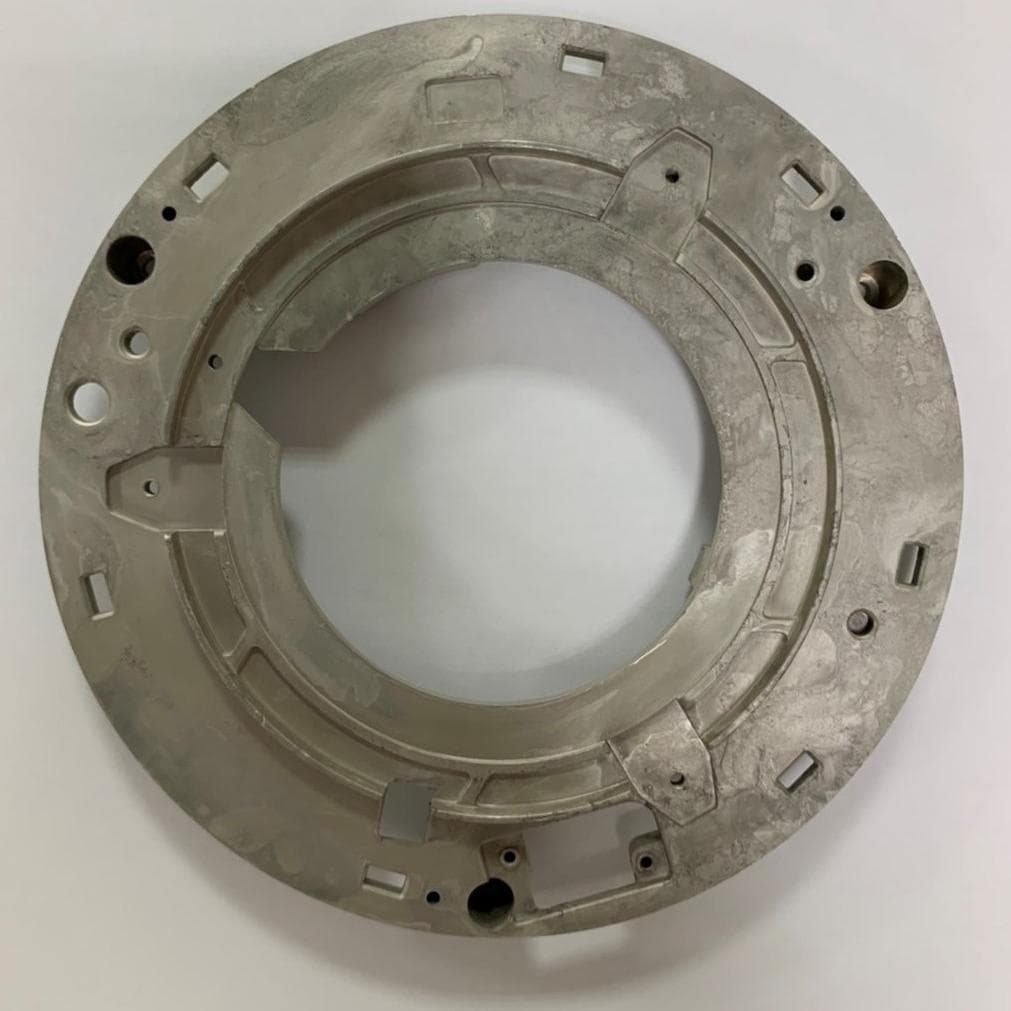
Aluminium alloy Ø136XH12mm chrome white treatment
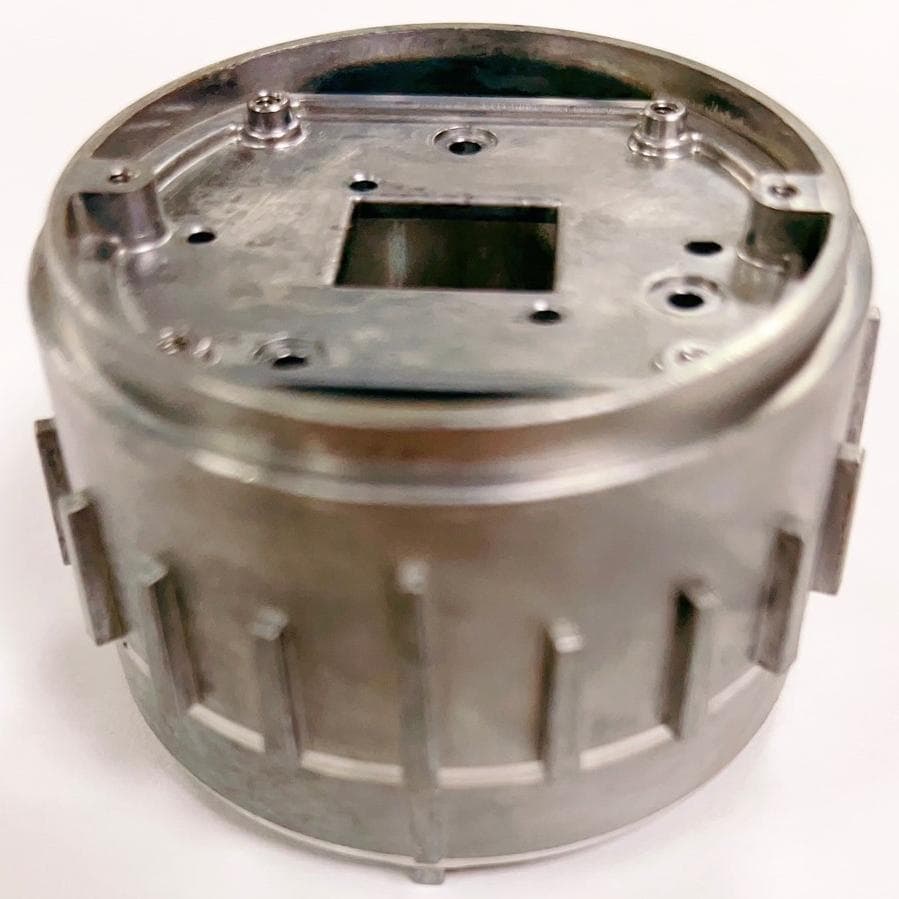
Aluminium alloy Ø58XH38mm chrome white treatment
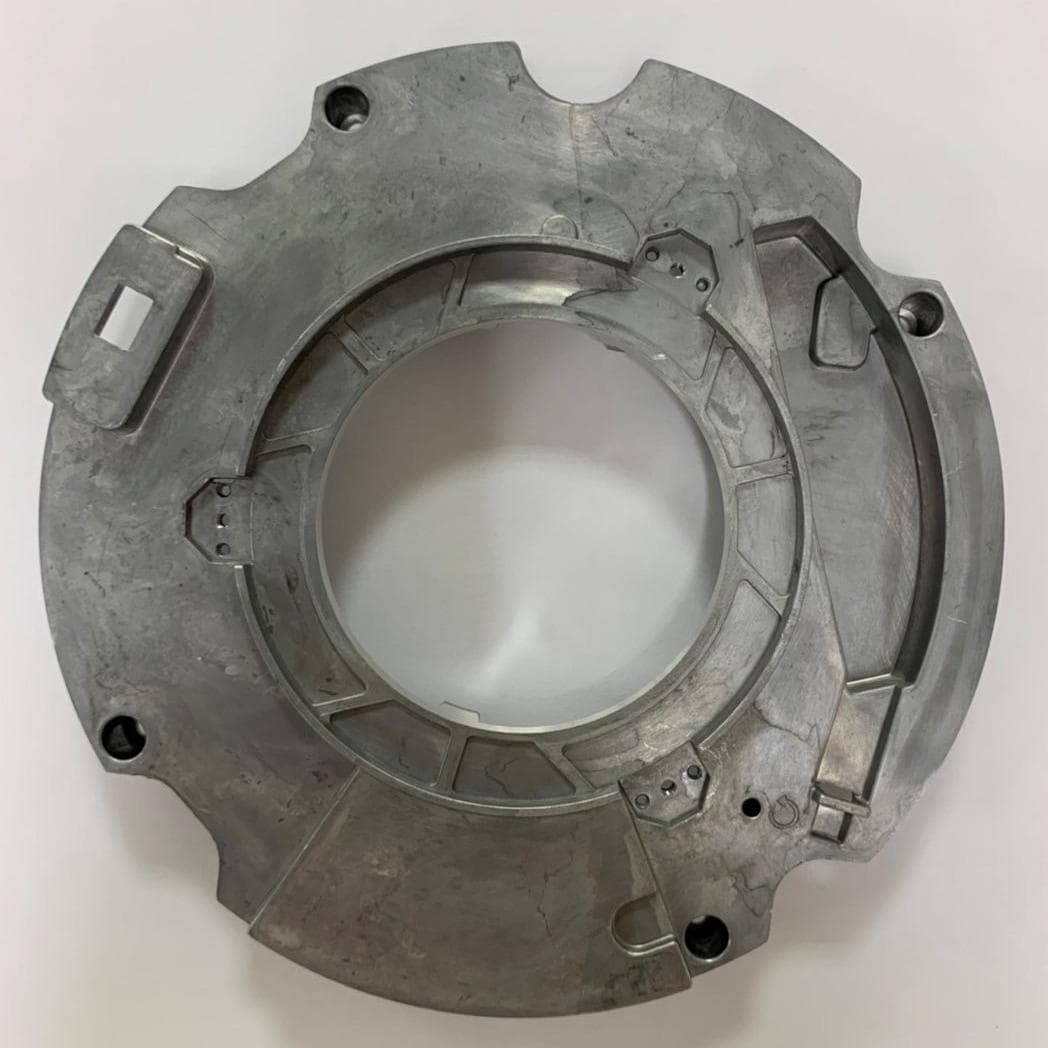
Aluminium alloy Ø144XH12mm handmade burrs
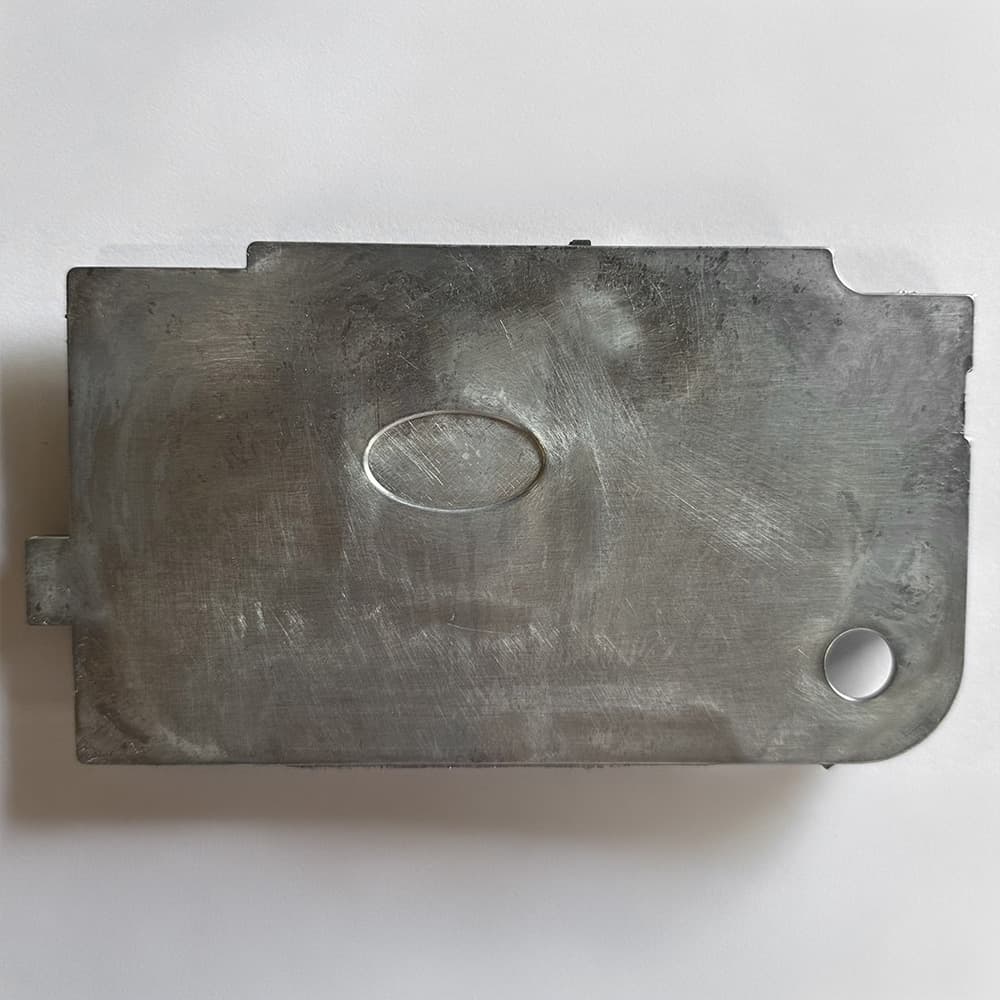
Aluminium alloy Ø178XH11mm handmade burrs
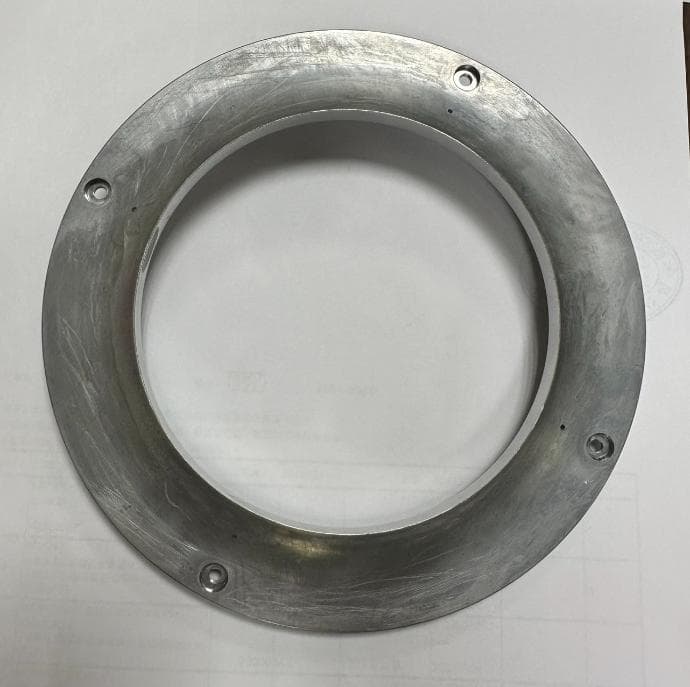
Aluminium alloy Ø157XH10mm CNC lathe
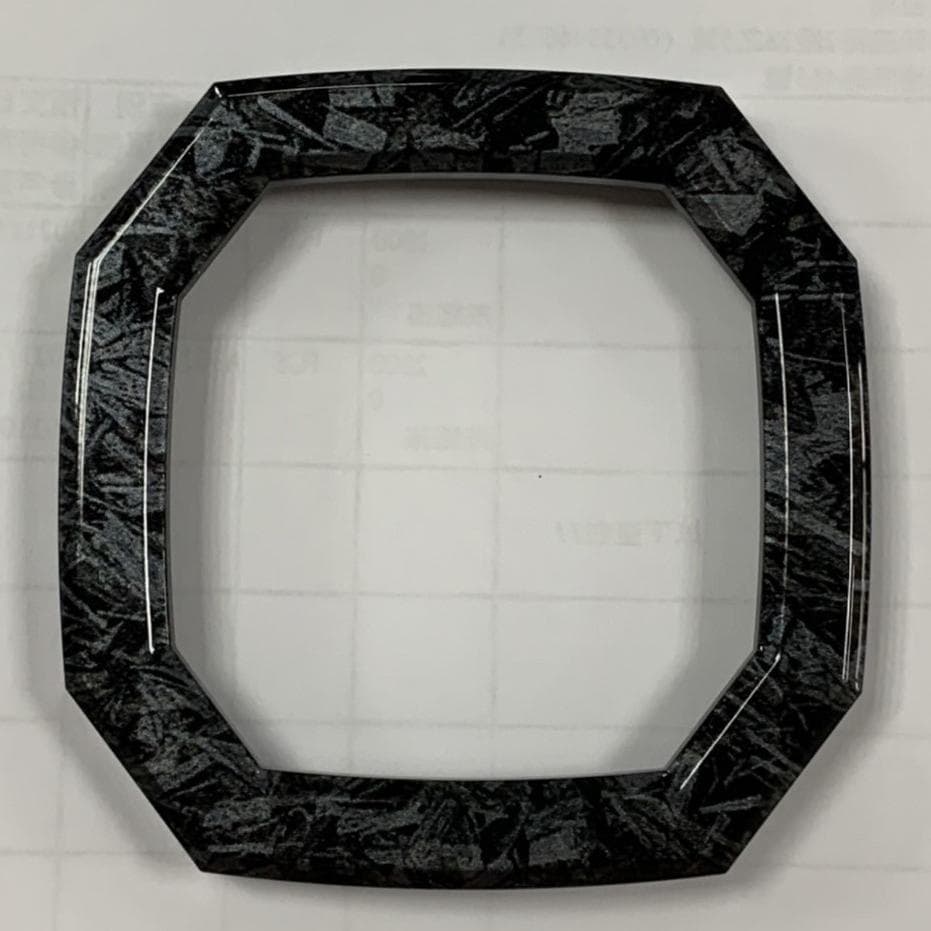
Aluminium alloy Ø83XH9mm water transfer film
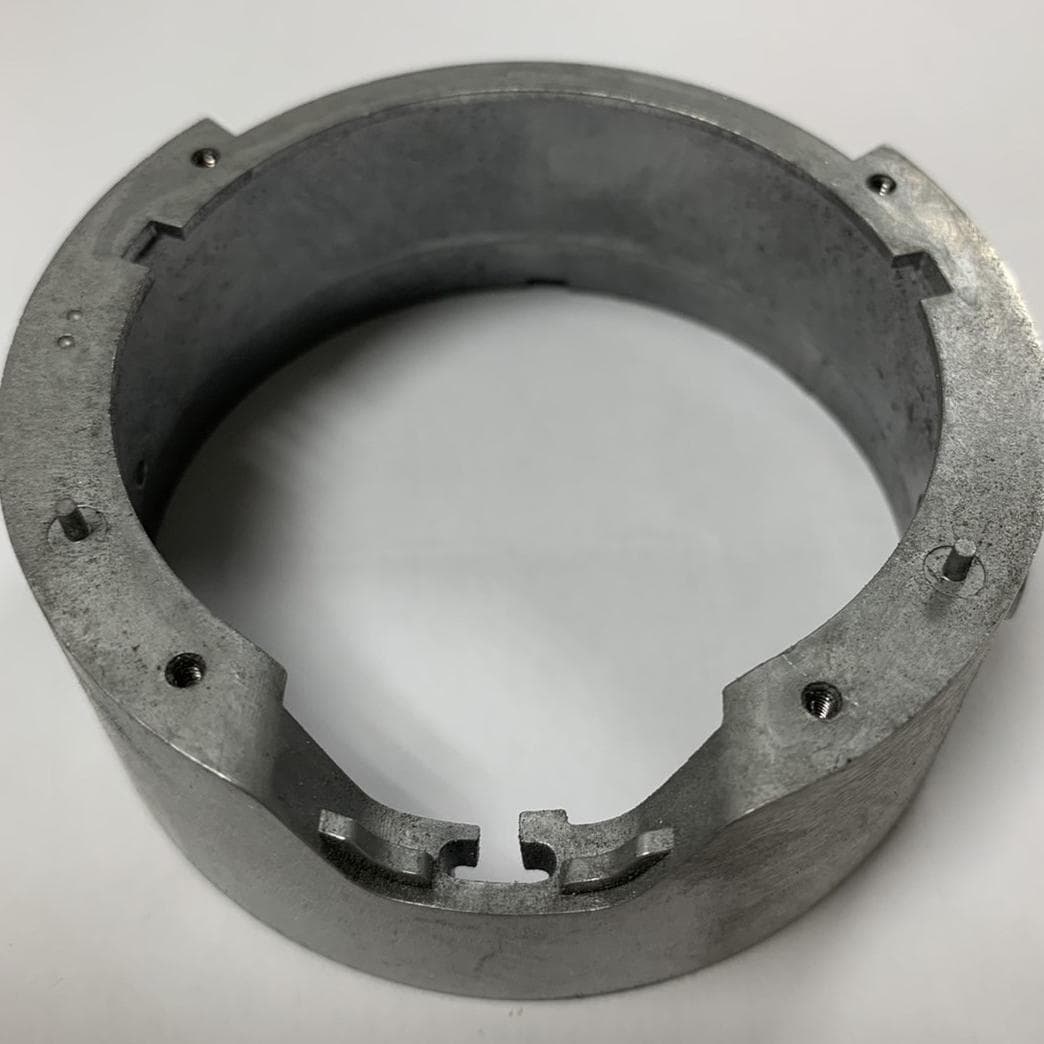
Aluminium alloy Ø78XH29mm handmade burrs
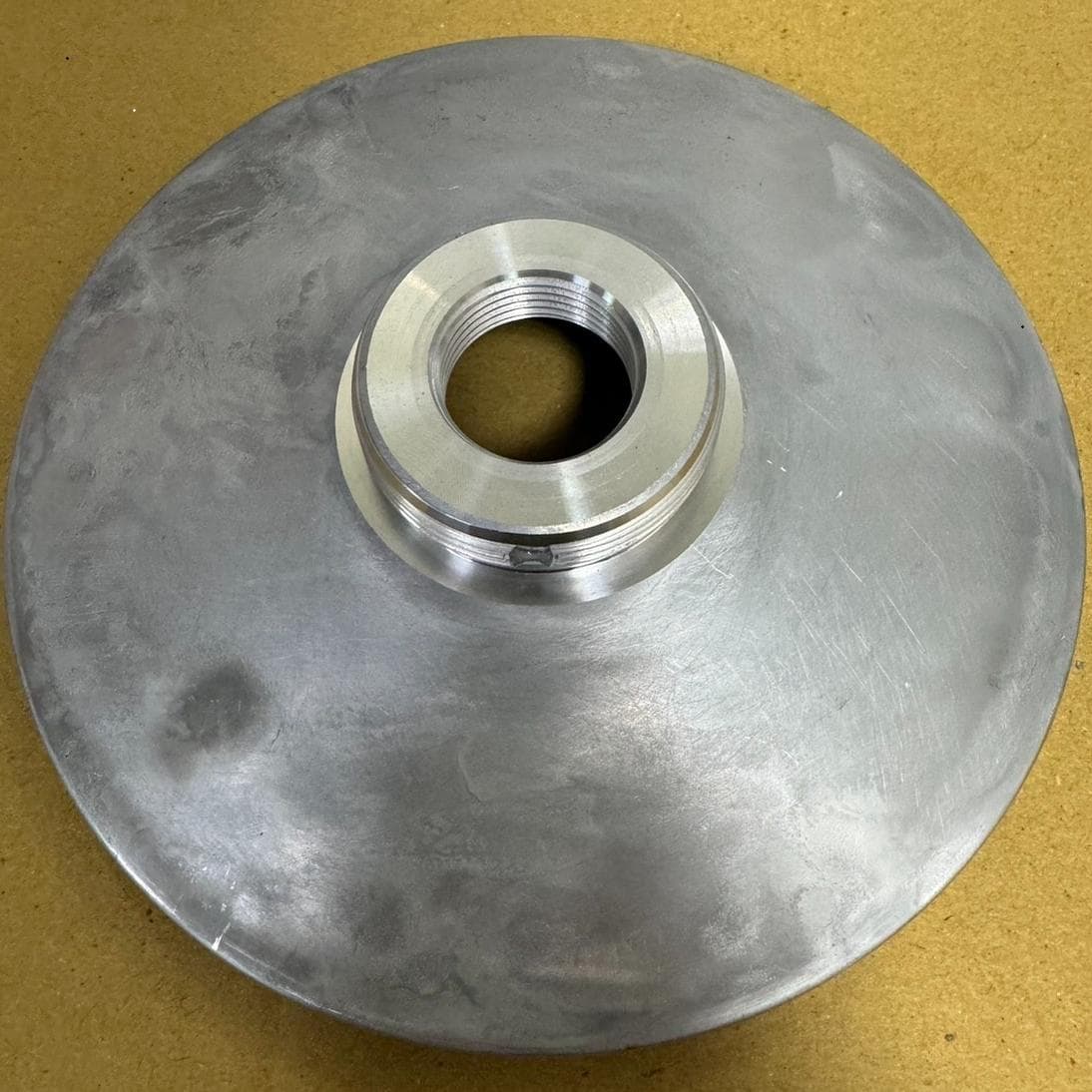
Aluminium alloy Ø149XH35mm CNC turning teeth
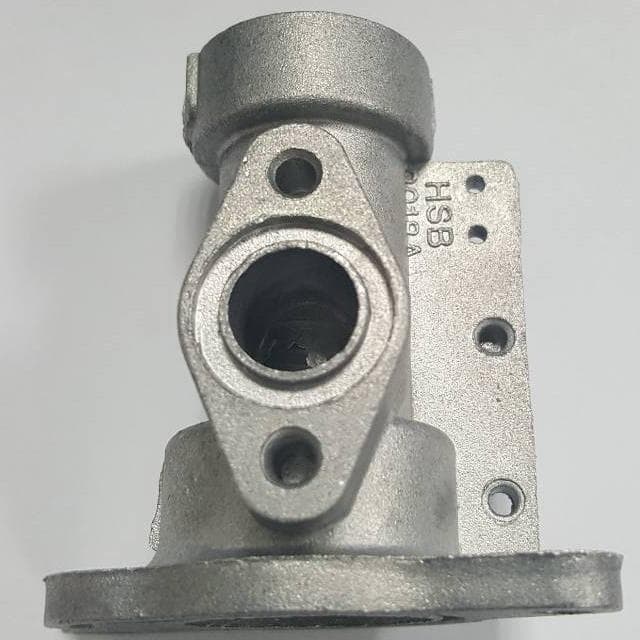
Aluminium alloy Ø70XH62mm sand blasting
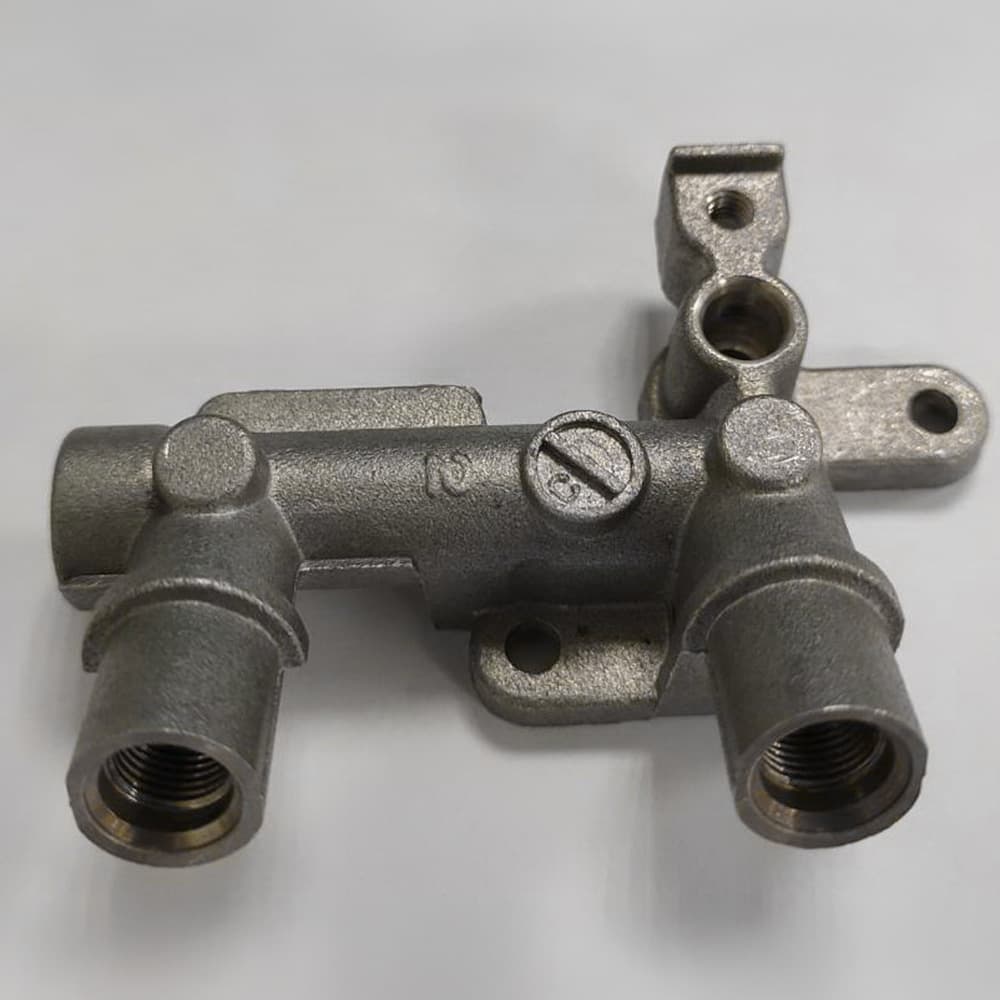
Aluminium alloy Ø73XH19mm sandblasted
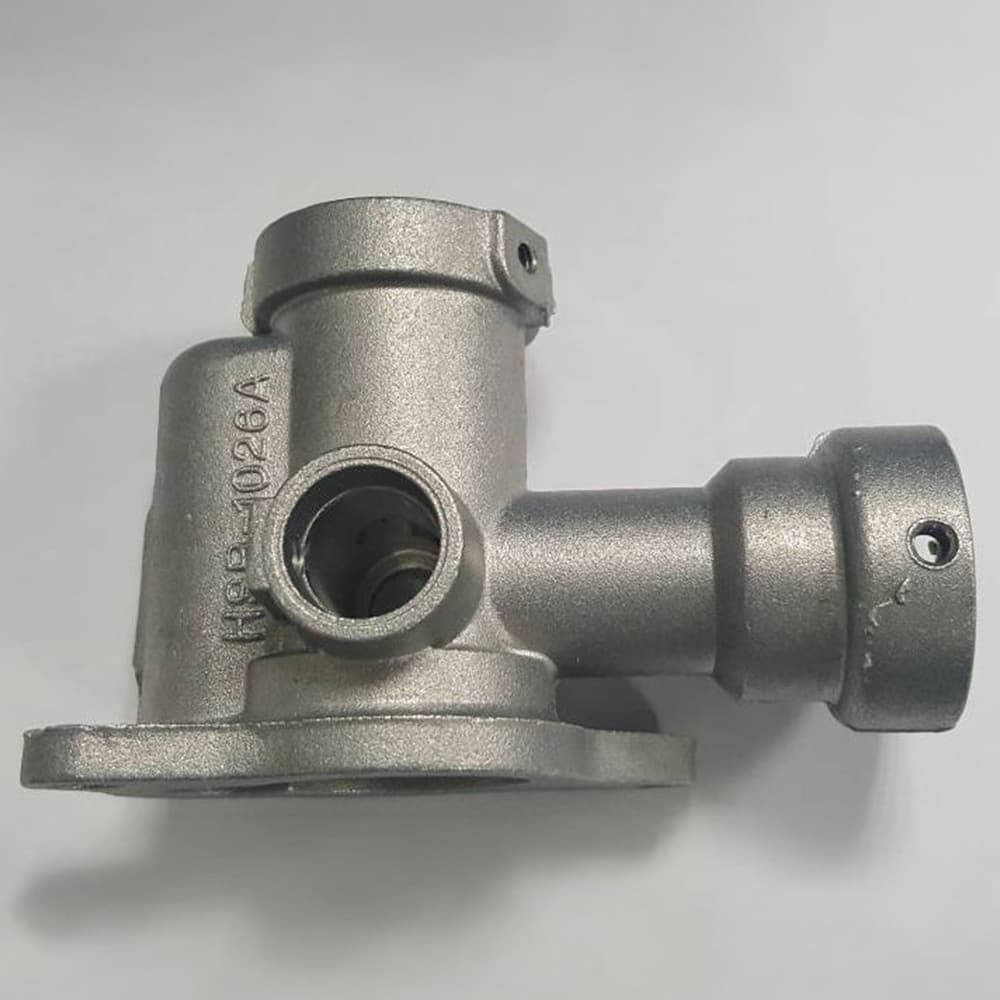
Aluminium alloy Ø84XH40mm sandblasted
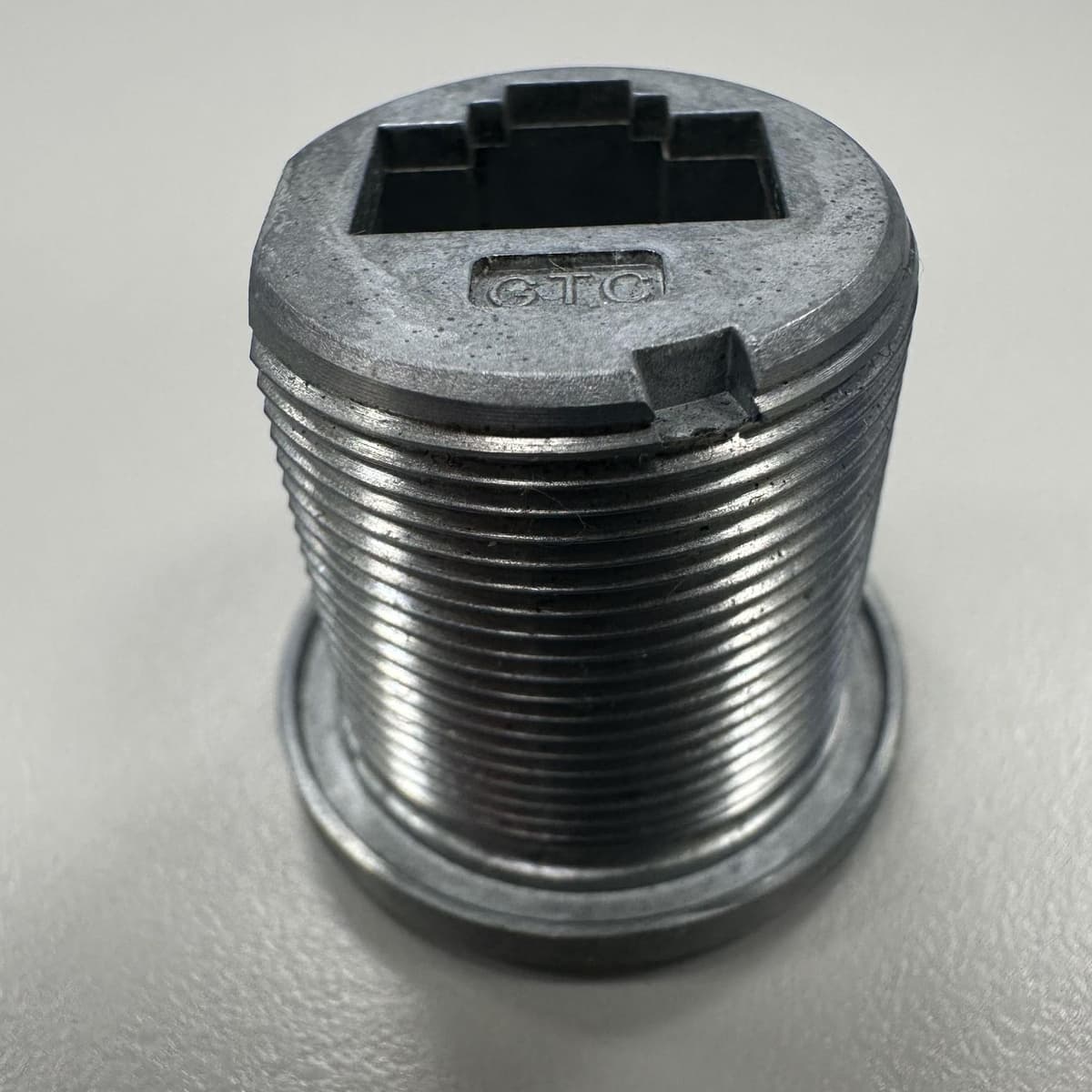
Zinc alloy Ø25XH23mm CNC turning teeth
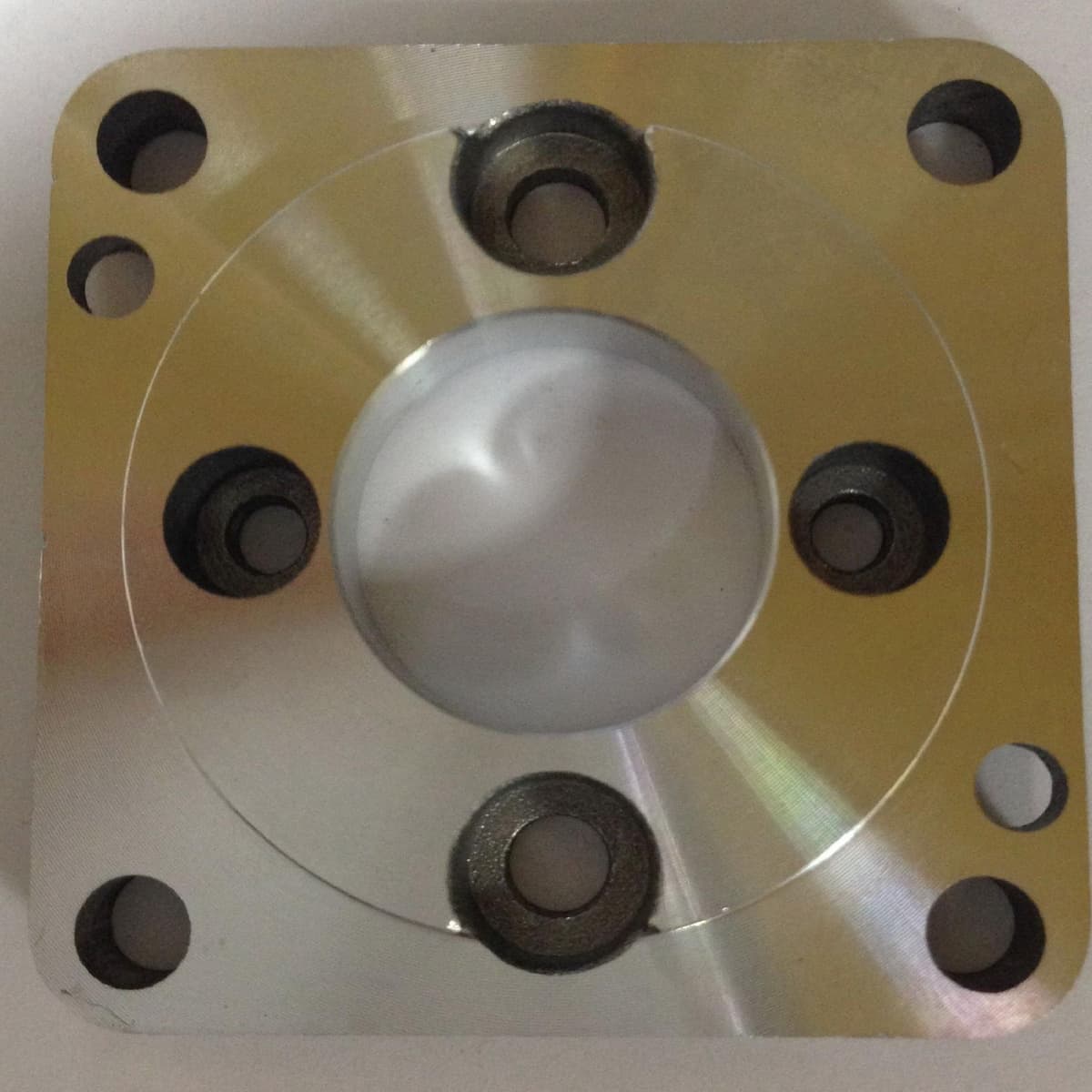
Aluminium alloy Ø42XH7mm CNC lathe
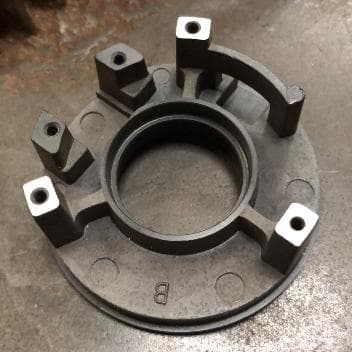
Aluminium alloy Ø44XH18mm anodized
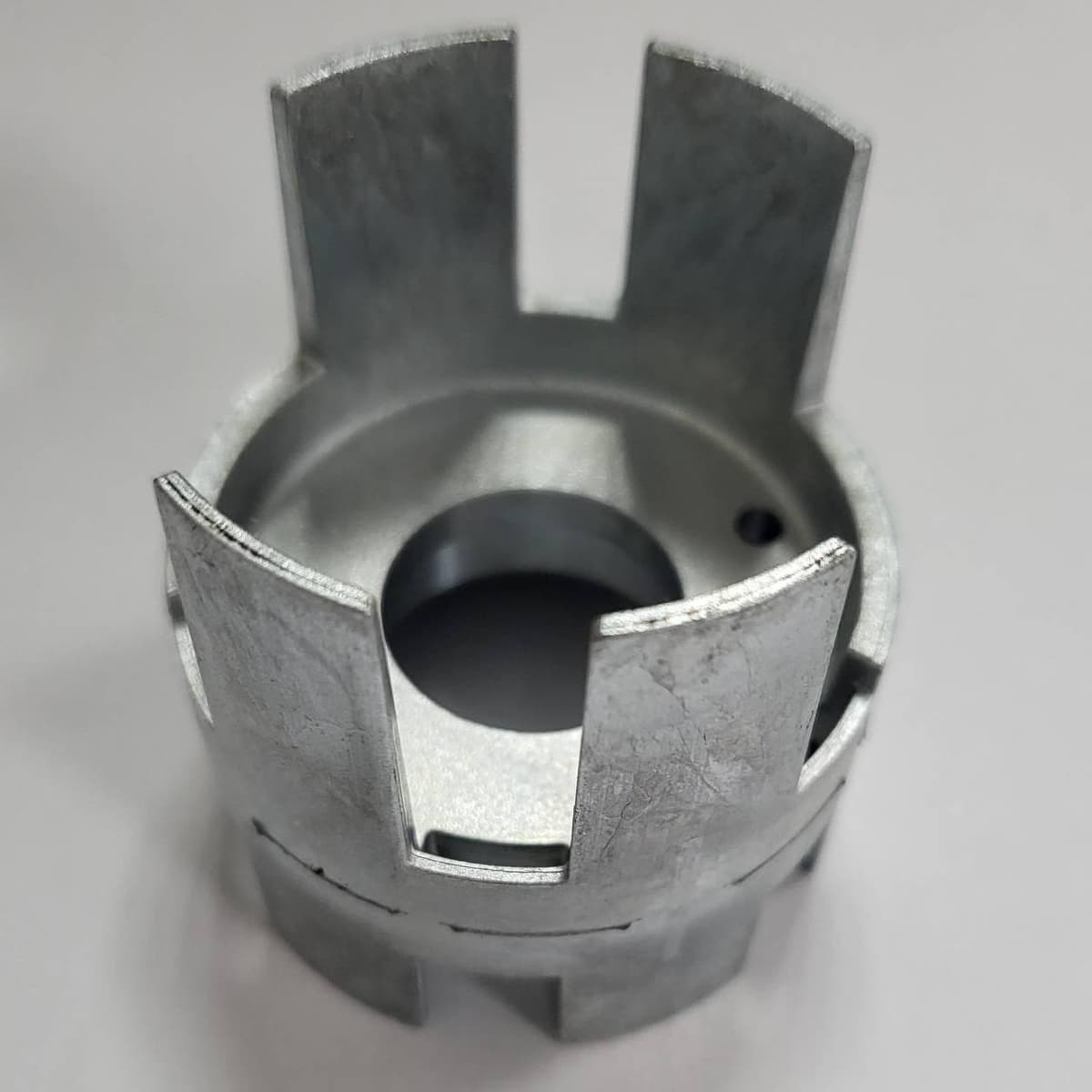
Aluminium alloy Ø39XH42mm CNC lathe
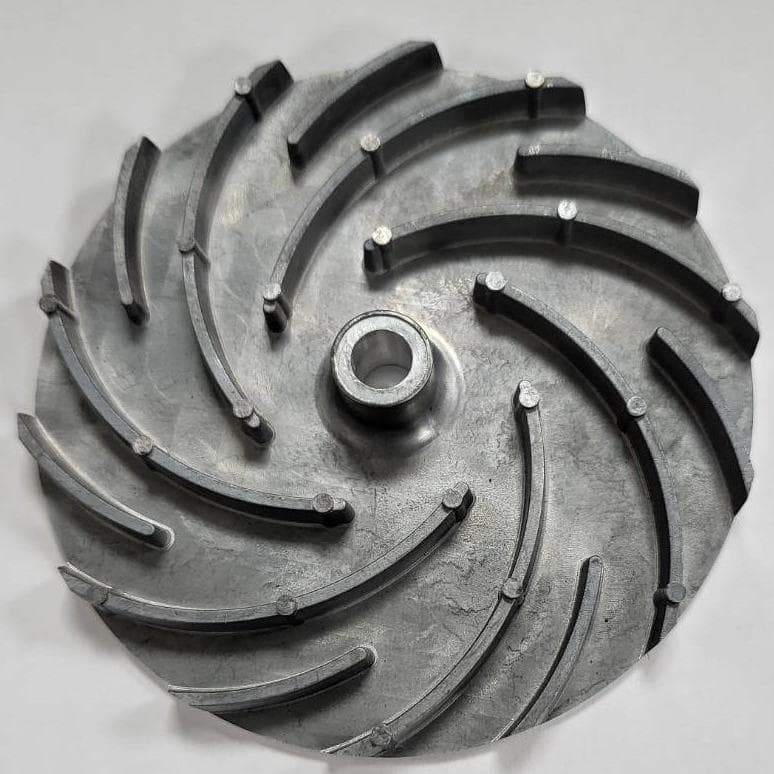
Aluminium alloy Ø75XH11mm vibration grinding
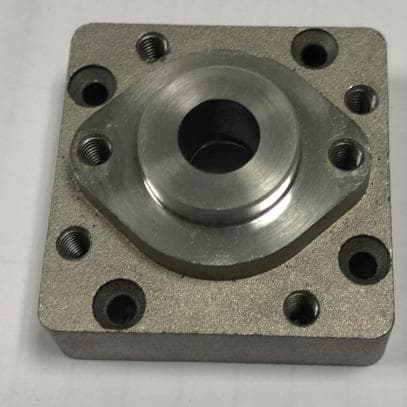
Aluminium alloy Ø42XH22mm drilling and tapping
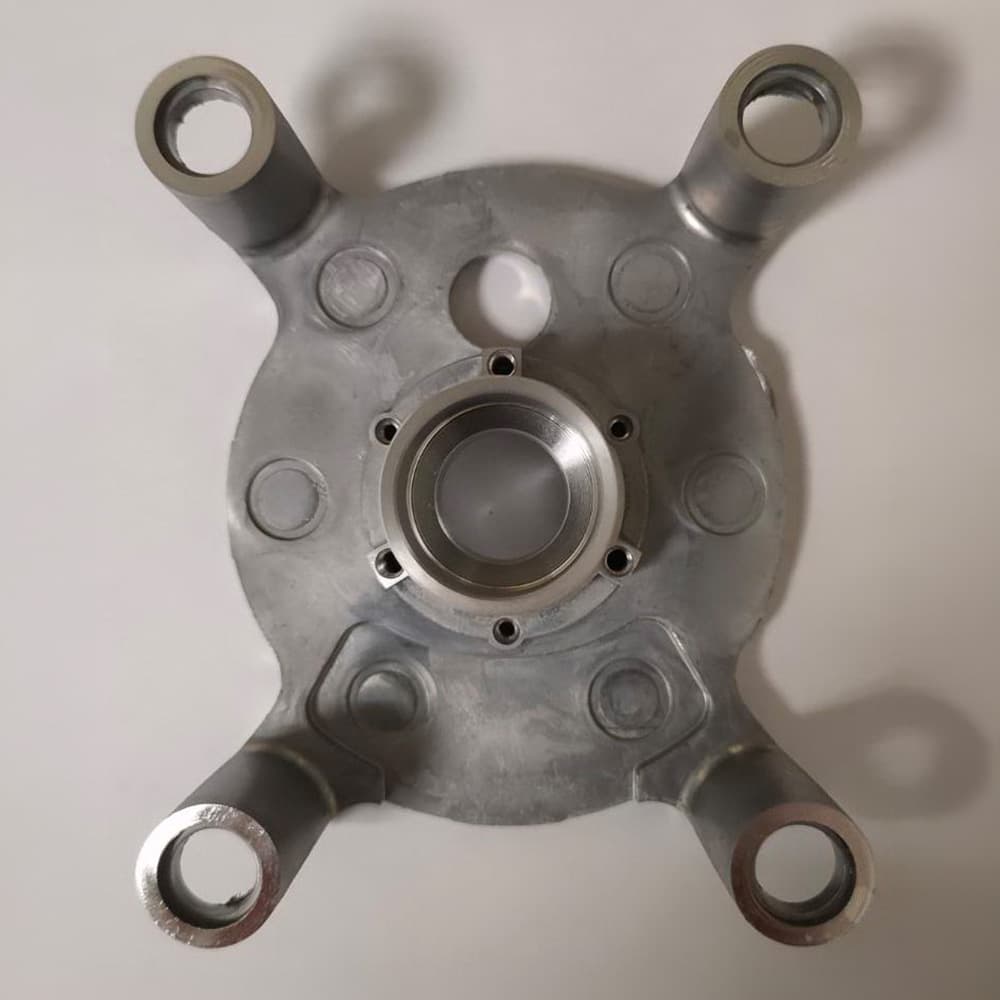
Aluminium alloy Ø64XH23mm drilling and tapping
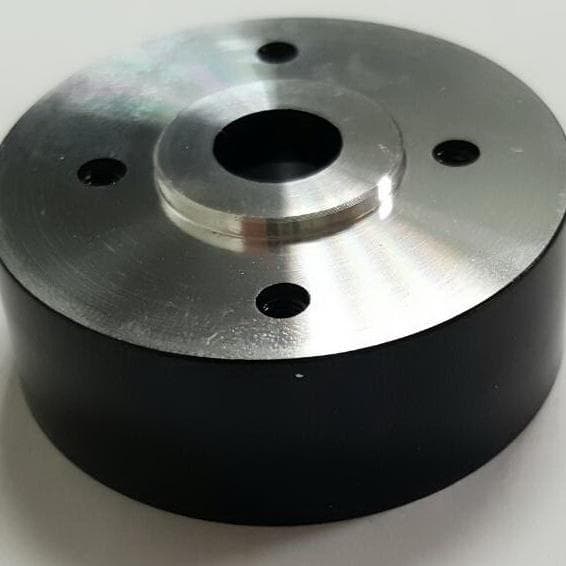
Aluminium alloy Ø42XH19mm electroplating treatment
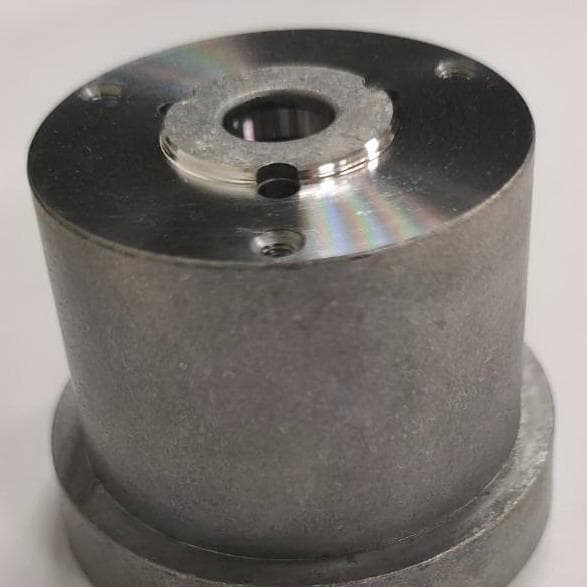
Aluminium alloy Ø44XH34mm CNC lathe
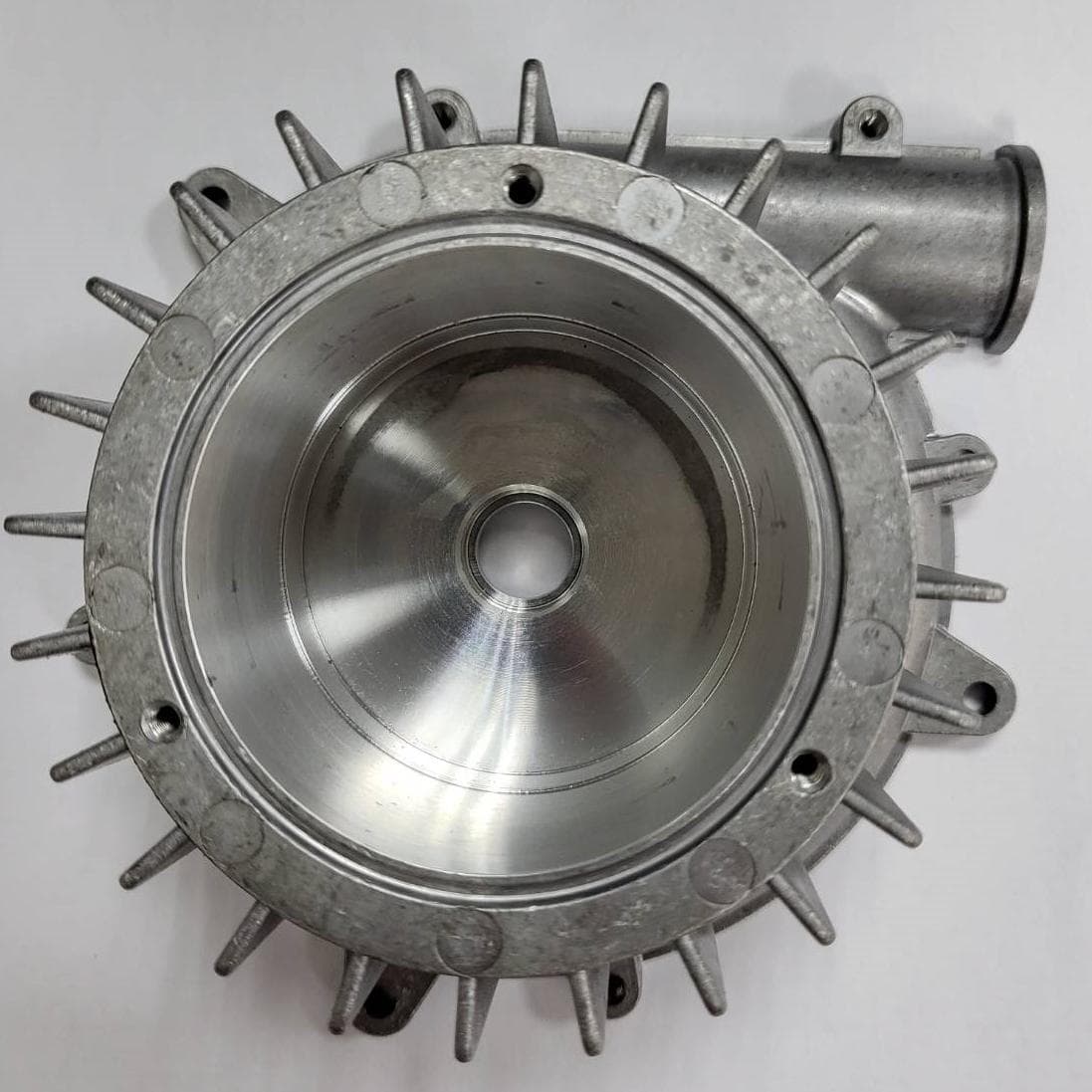
Aluminium alloy Ø112XH50mm CNC lathe
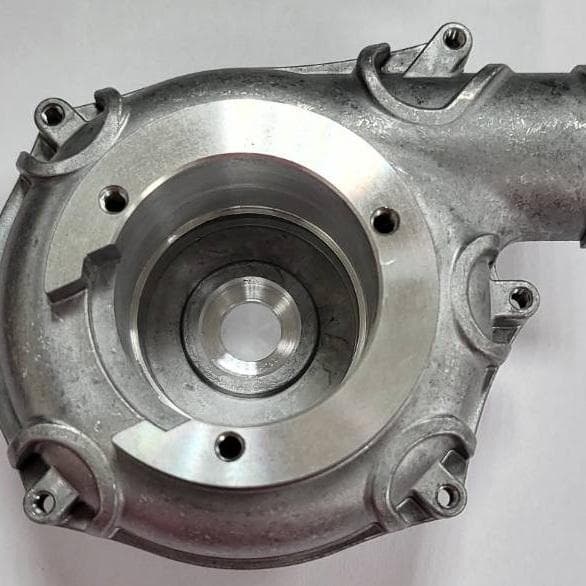
Aluminium alloy Ø66XH33mm drilling and tapping
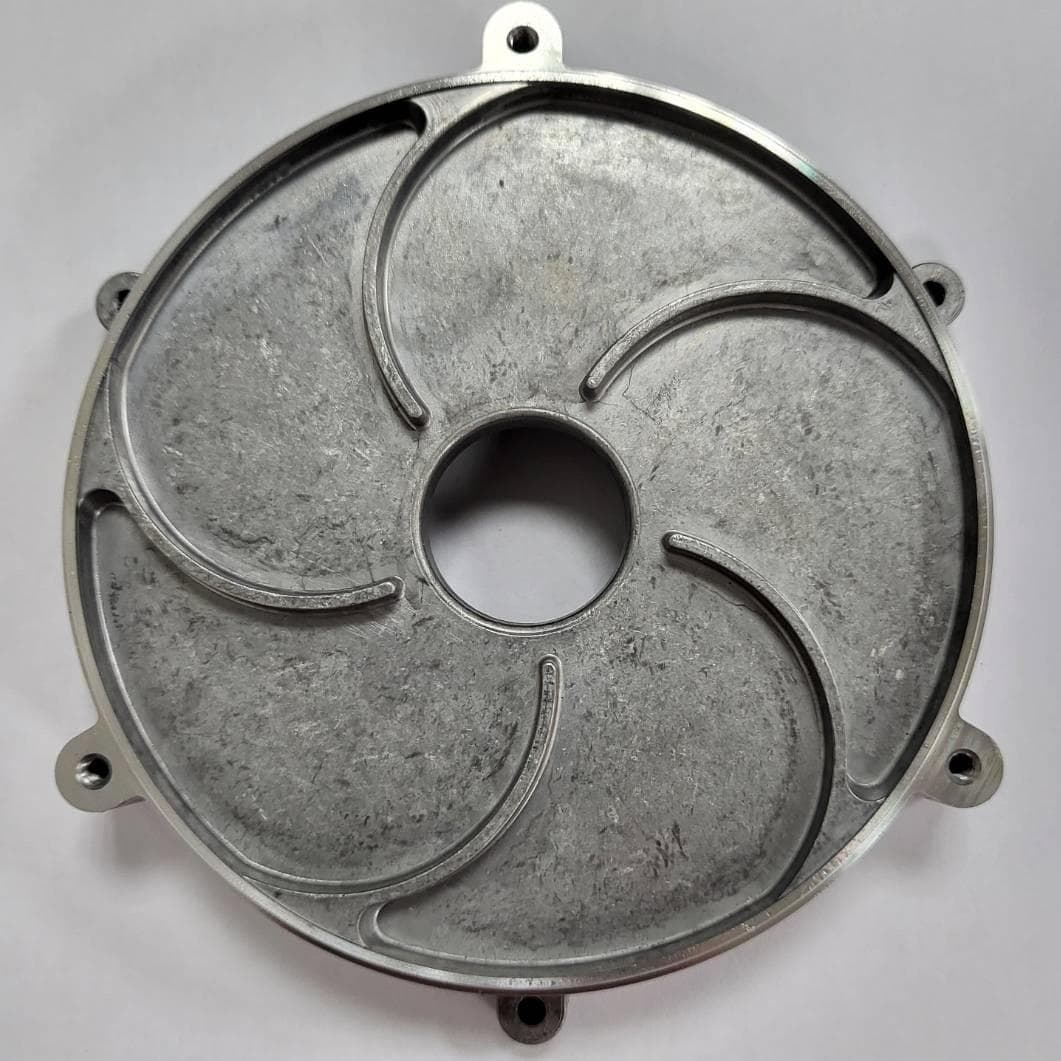
Aluminium alloy Ø108XH19mm CNC lathe
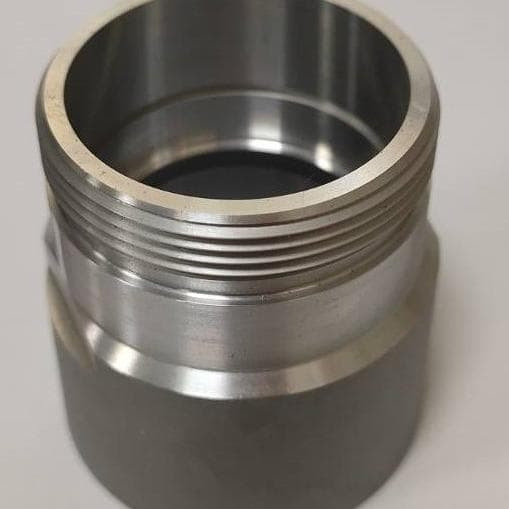
Aluminium alloy Ø42XH45mm CNC lathe
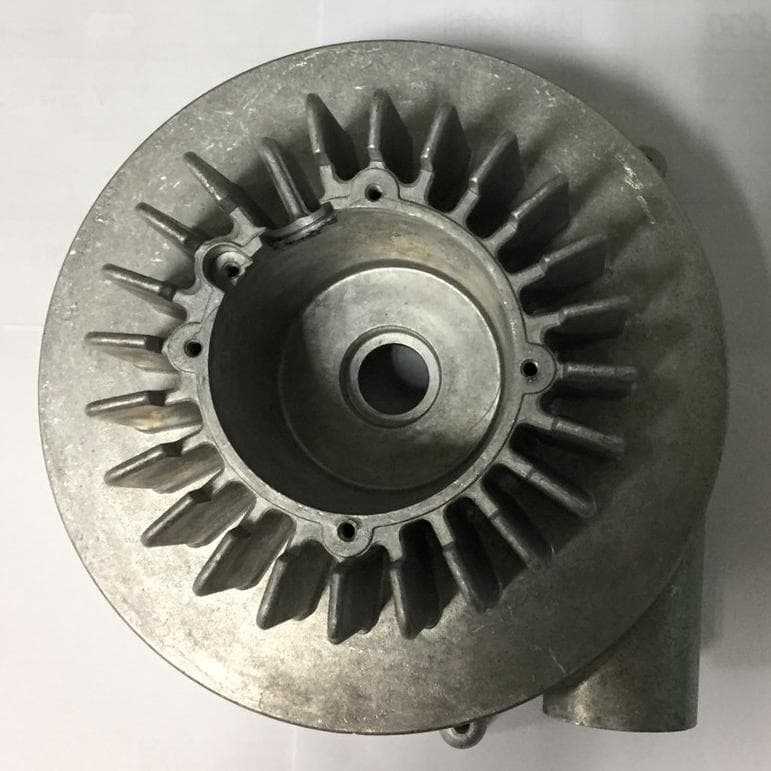
Aluminium alloy Ø154XH89mm vibration grinding
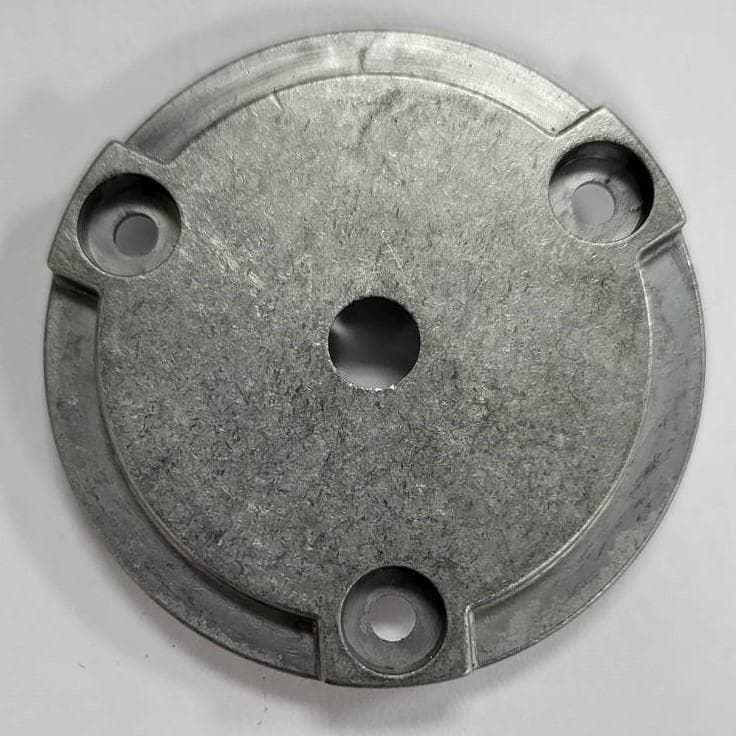
Aluminium alloy Ø44XH7mm vibration grinding
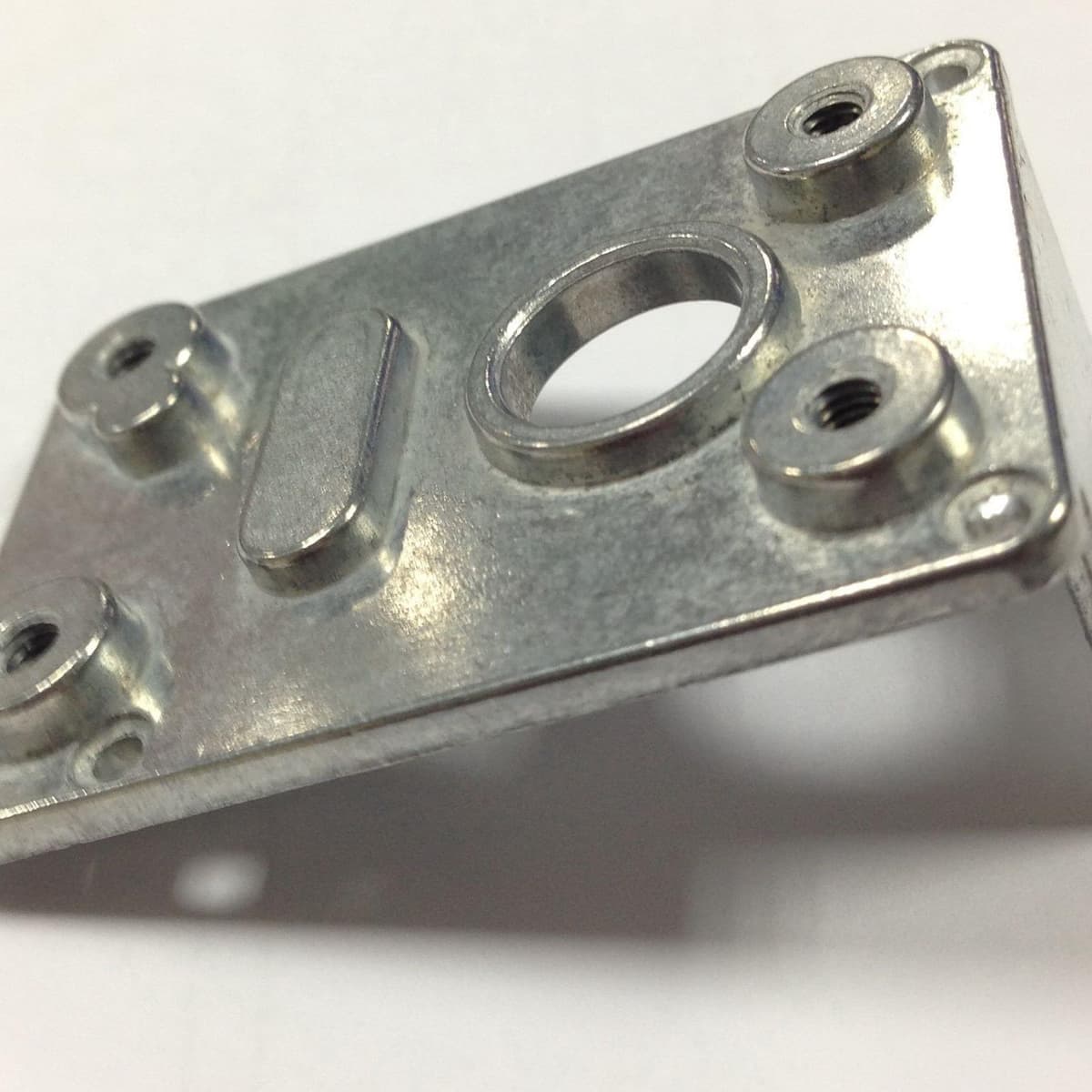
Zinc alloy Ø46XH23mm multi-axis tapping
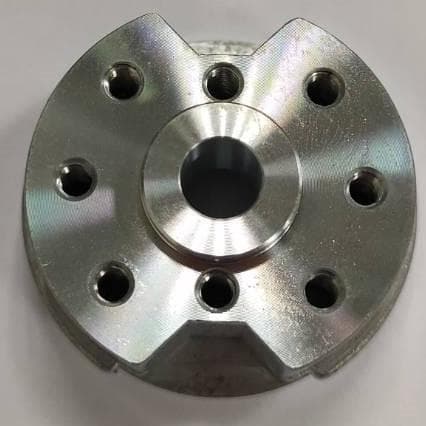
Zinc alloy Ø32XH17mm multi-axis tapping
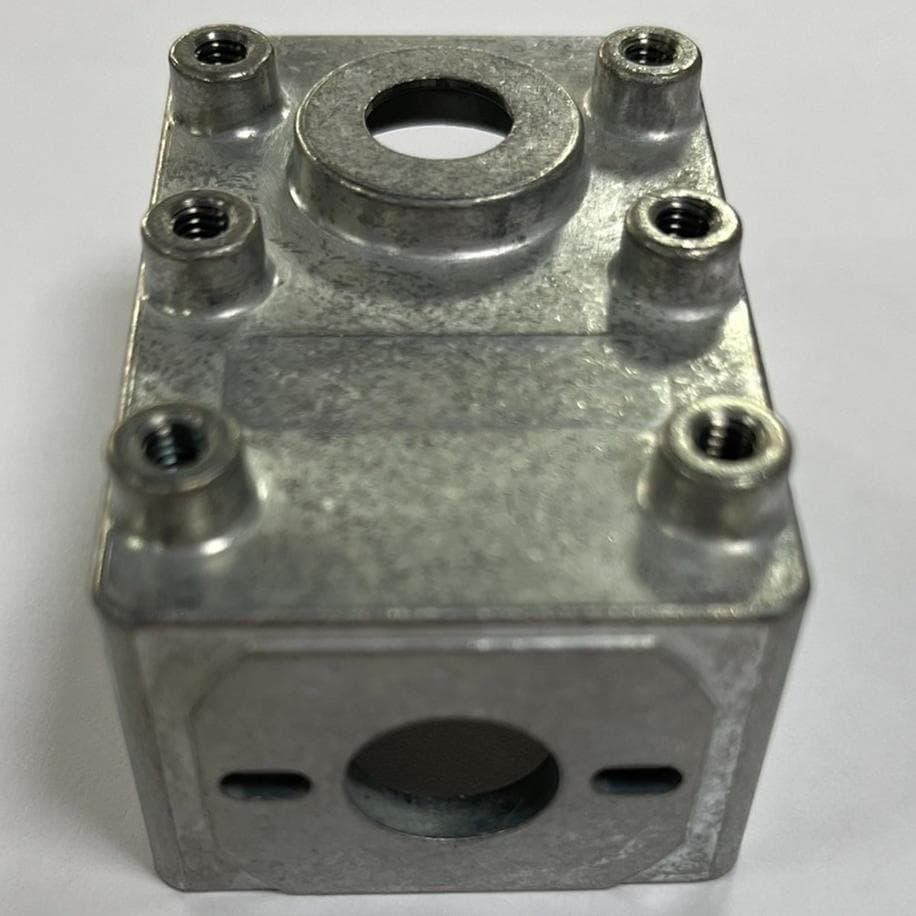
Zinc alloy Ø60XH32mm multi-axis tapping
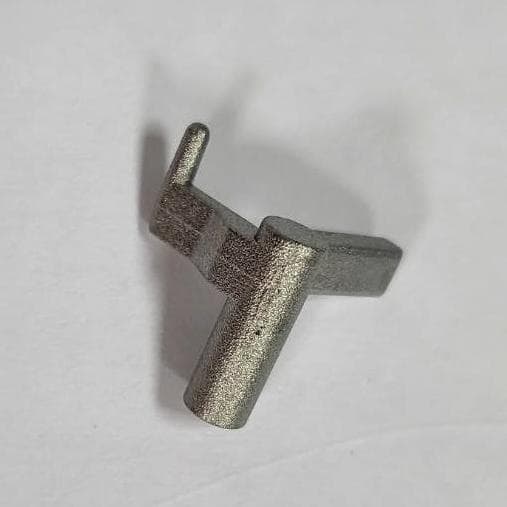
Zinc alloy Ø10XH13mm sandblasted
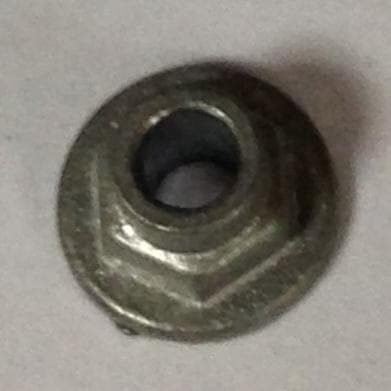
Zinc alloy Ø6XH3mm handmade burrs
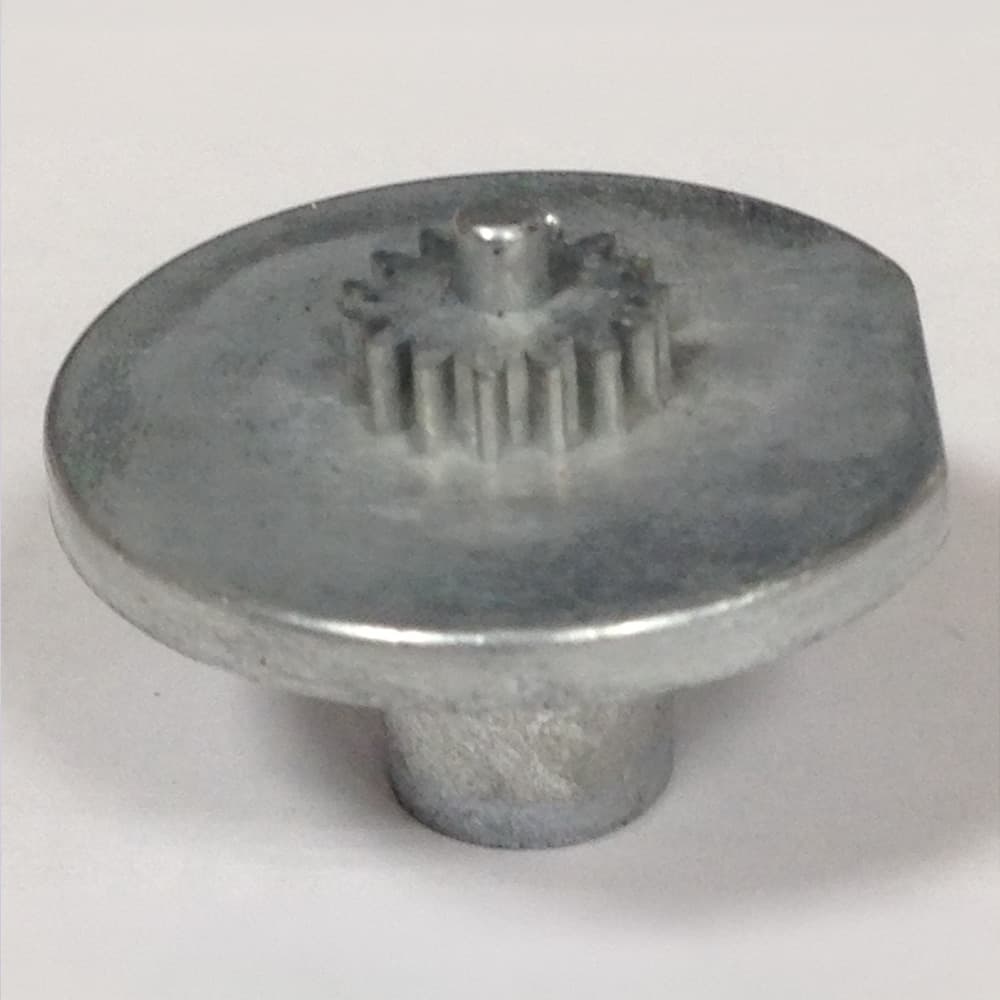
Zinc alloy Ø30XH21mm vibration grinding
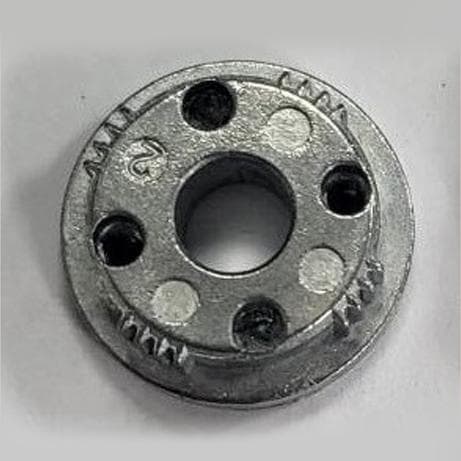
Zinc alloy Ø16XH5mm vibration grinding
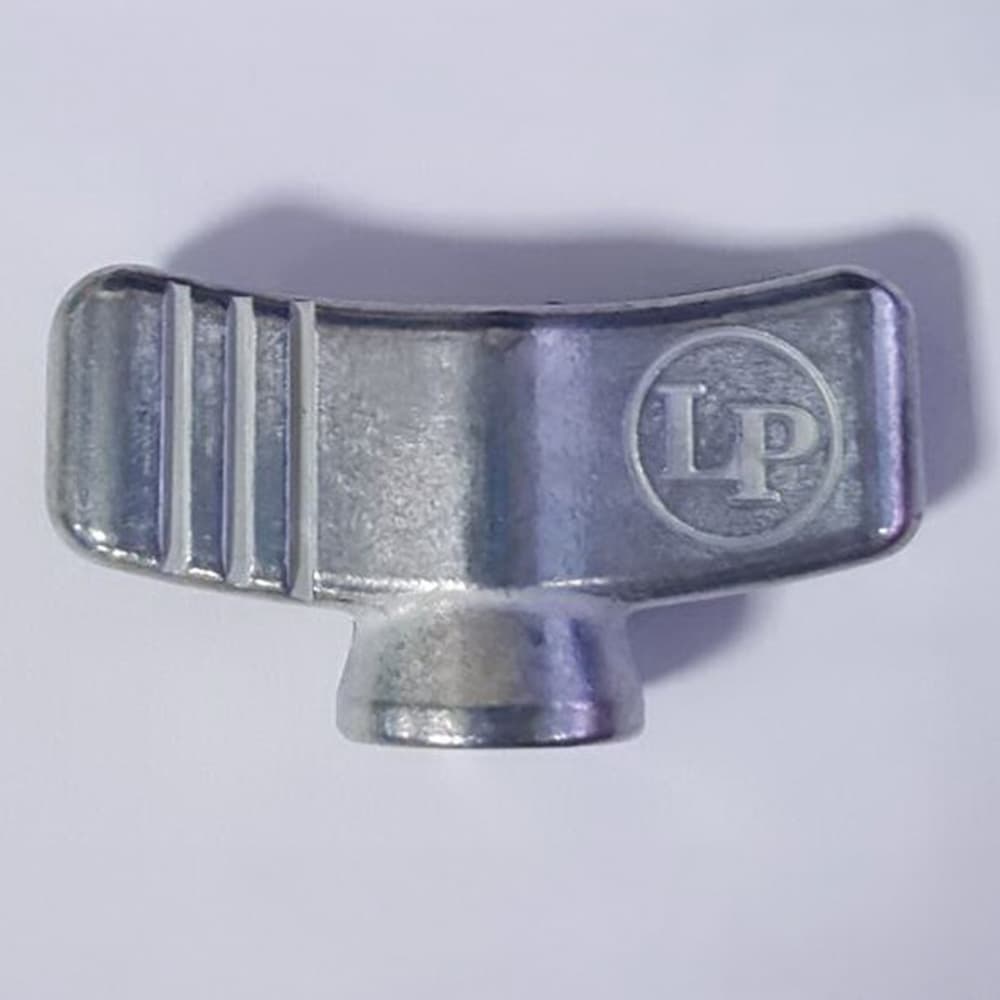
Zinc alloy Ø43XH20mm vibration grinding
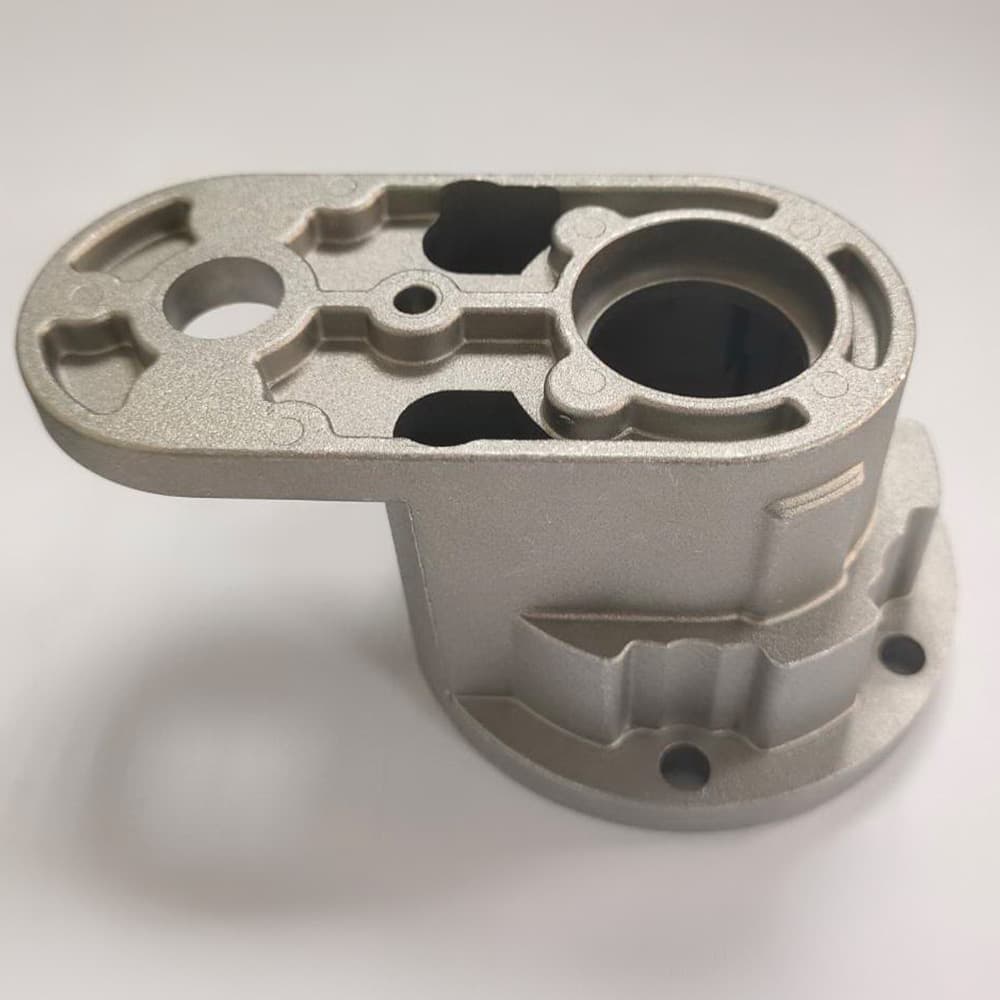
Aluminium alloy Ø108XH50mm sandblasted
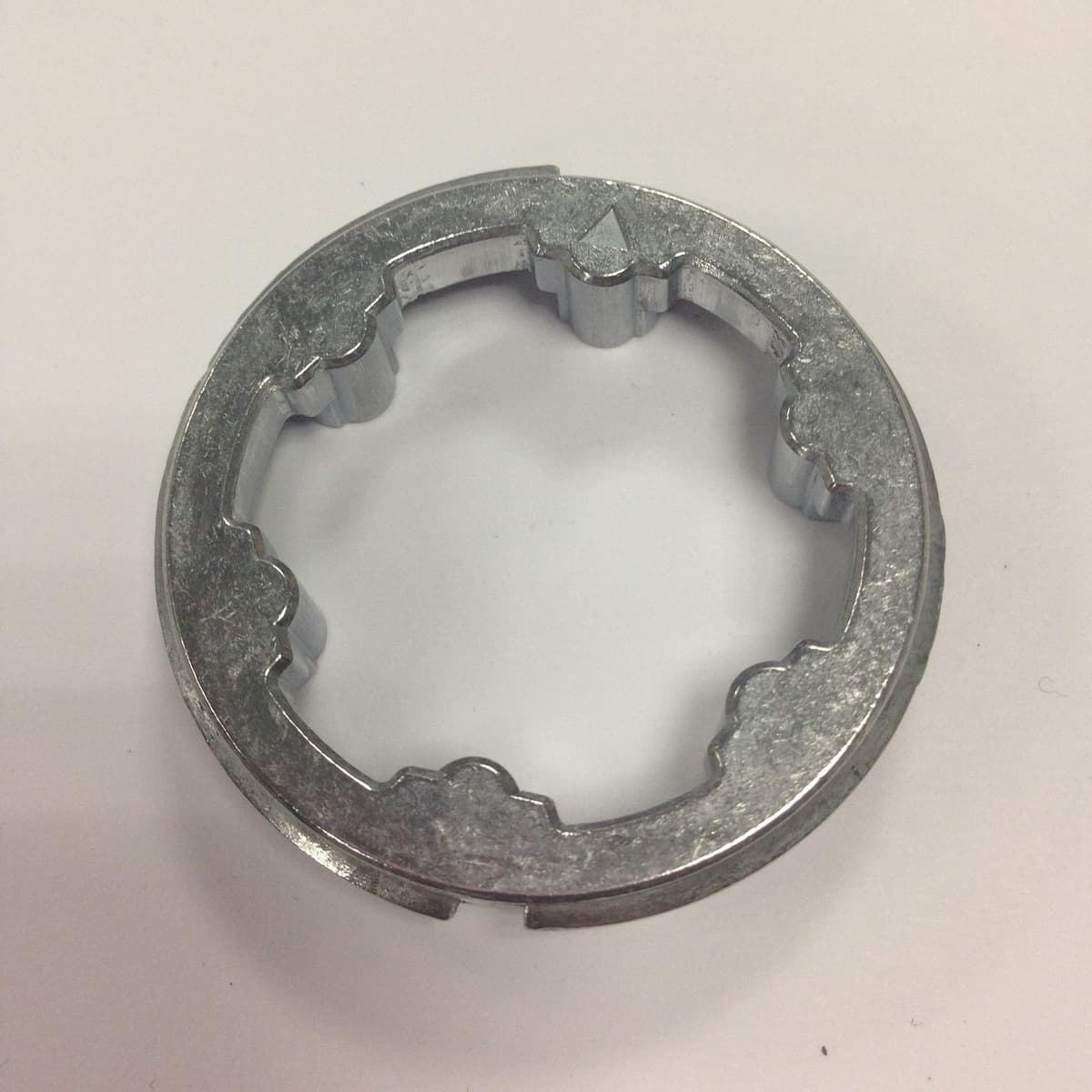
Aluminium alloy Ø43XH8mm vibration grinding
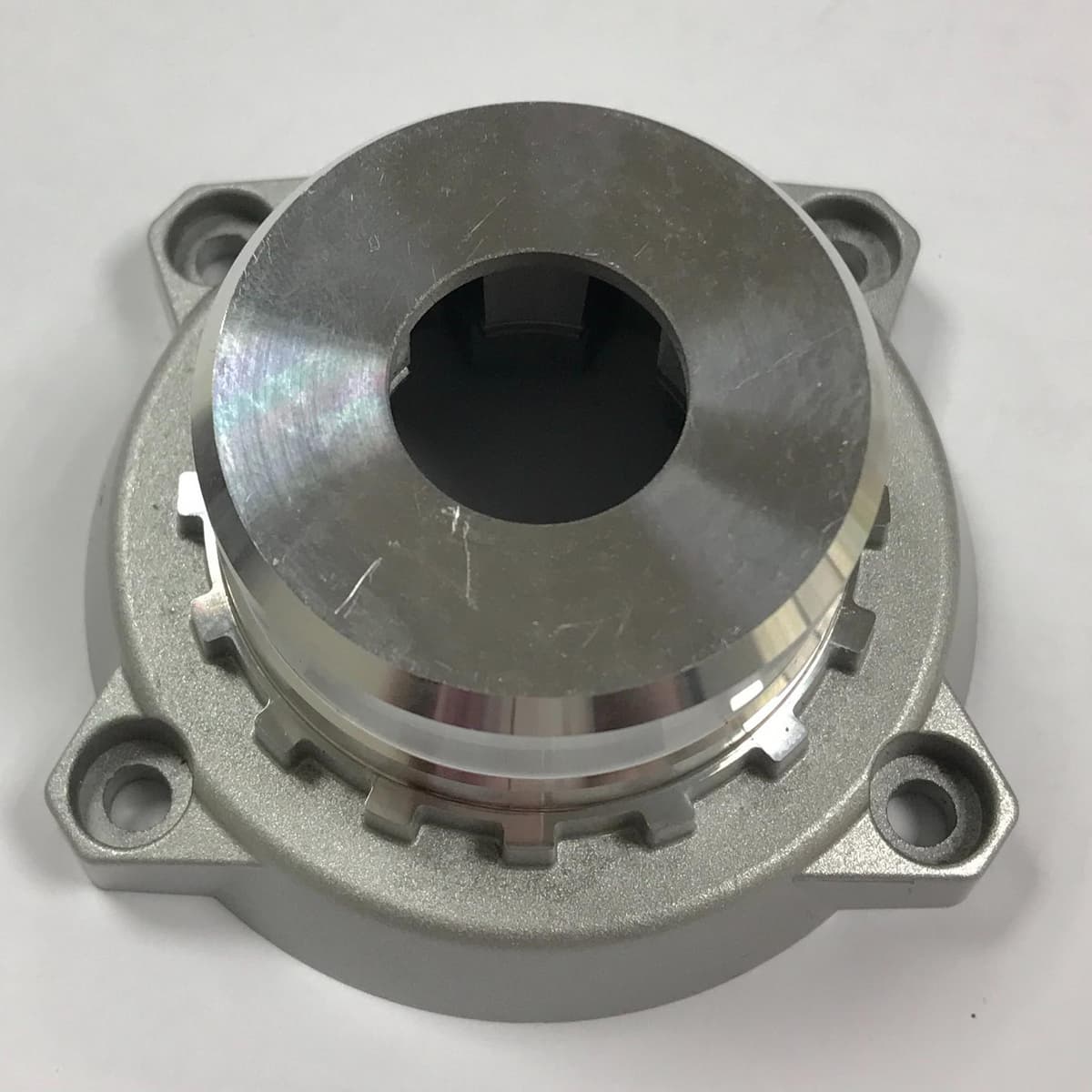
Aluminium alloy Ø64XH32mm paint treatment
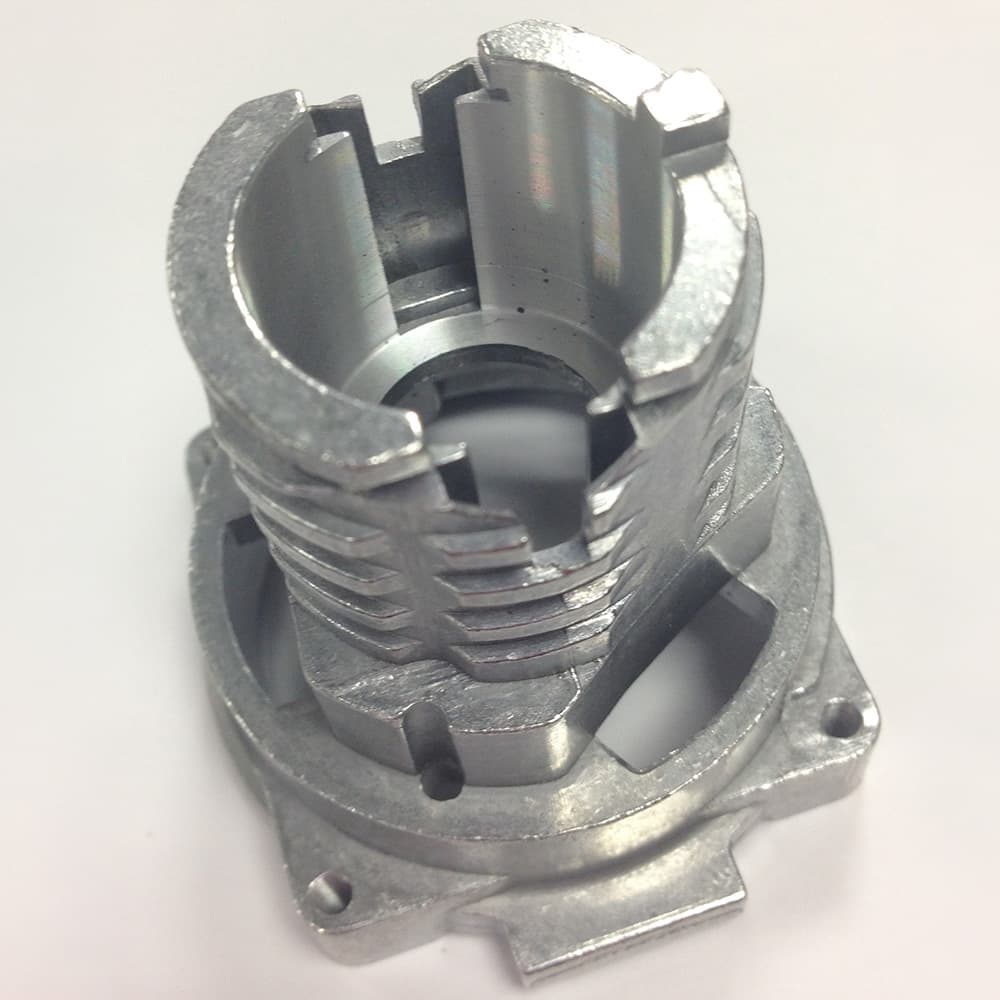
Aluminium alloy Ø52XH48mm vibration grinding
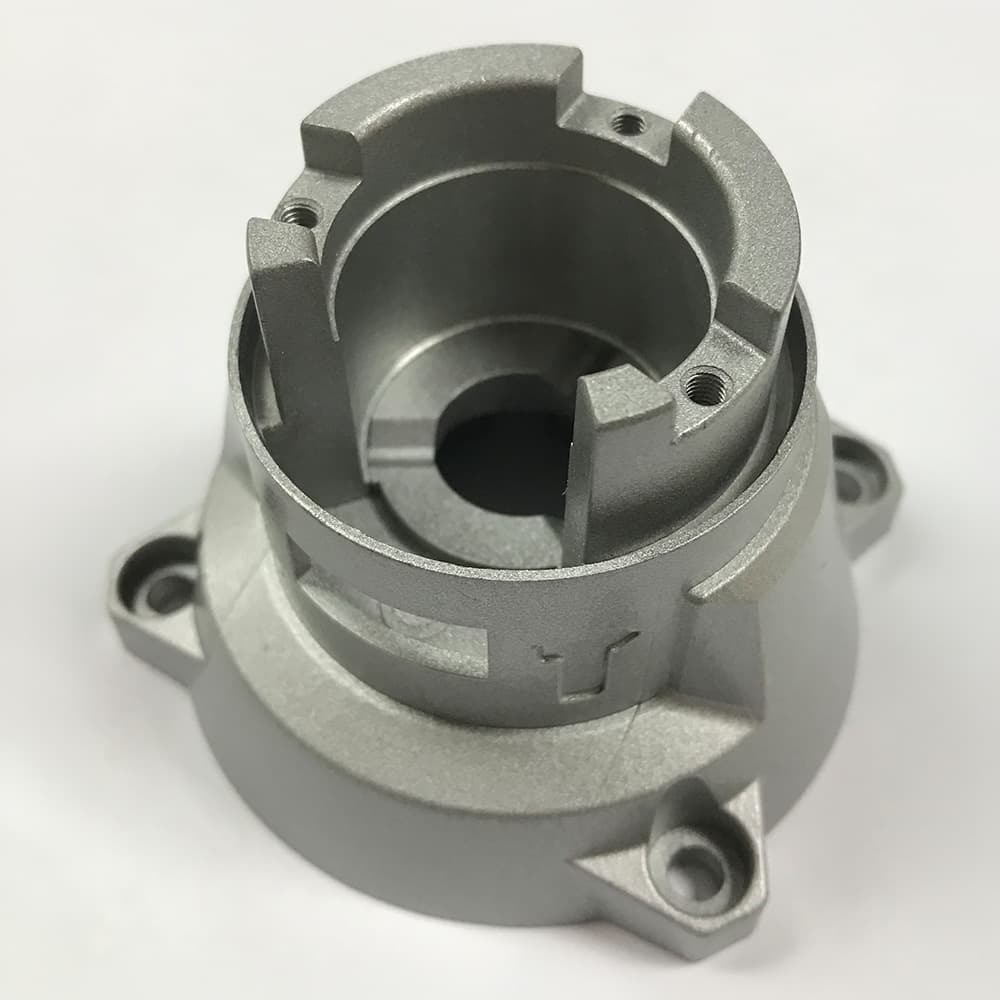
Aluminium alloy Ø64XH48mm paint treatment
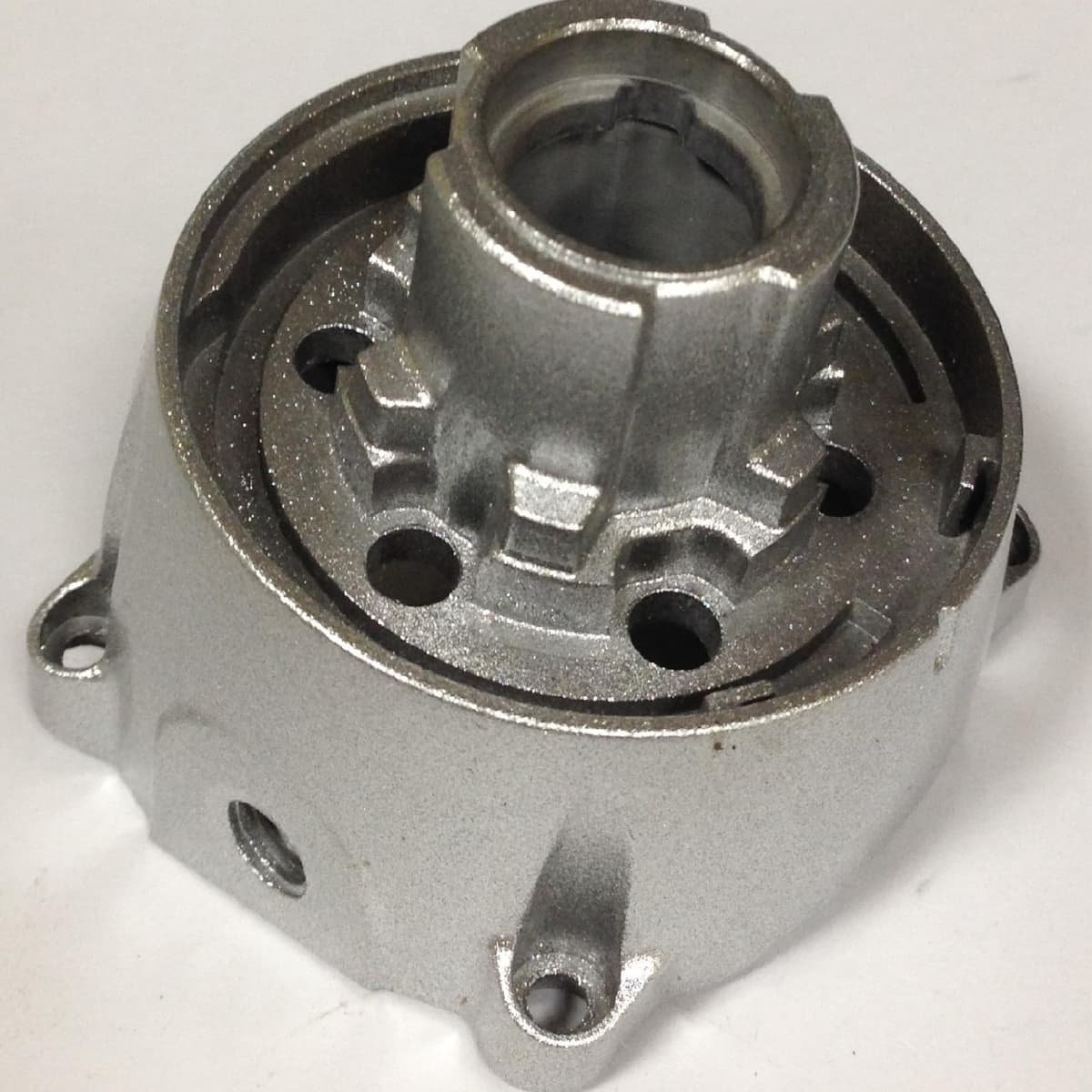
Aluminium alloy Ø58XH46mm paint treatment
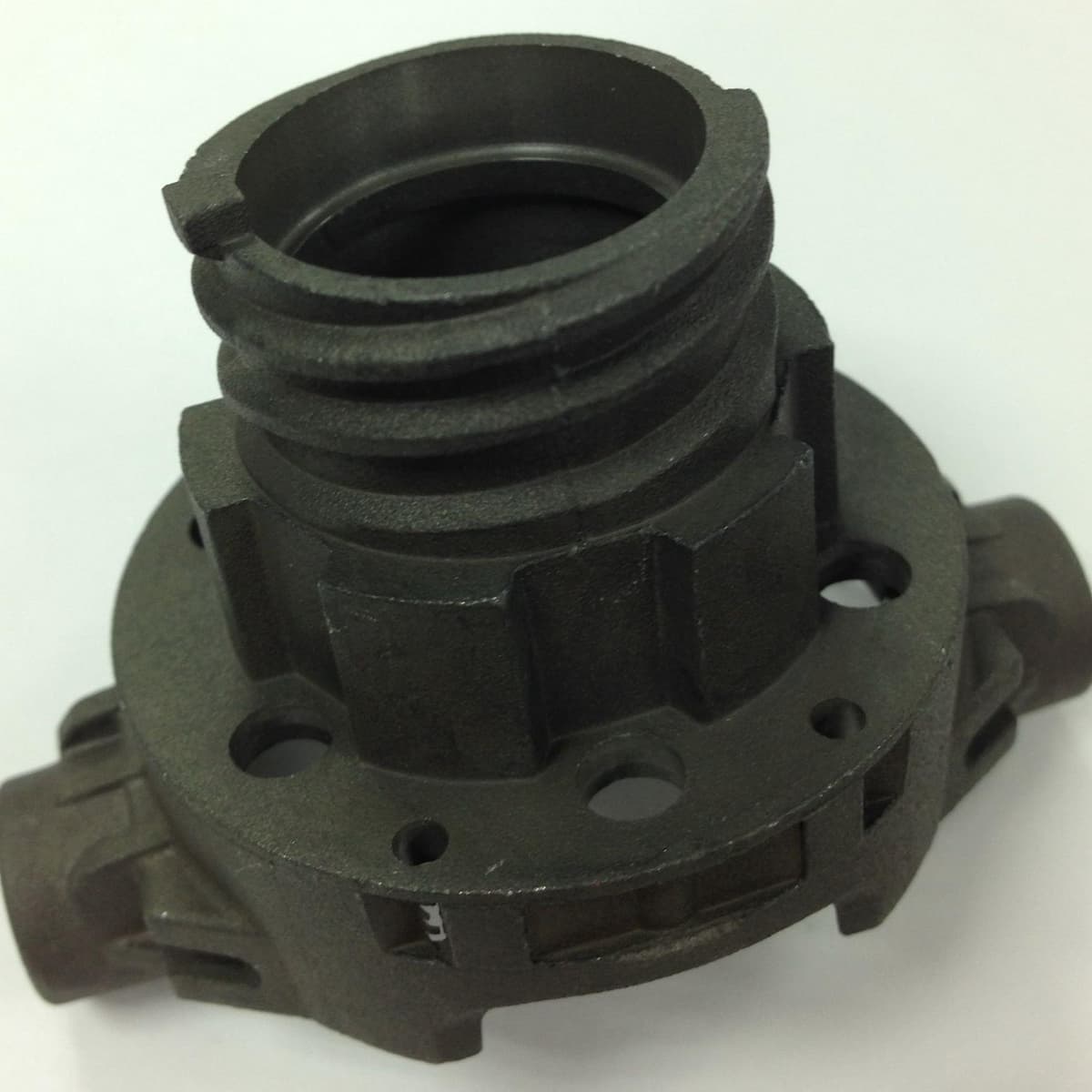
Aluminium alloy Ø54XH49mm anodized
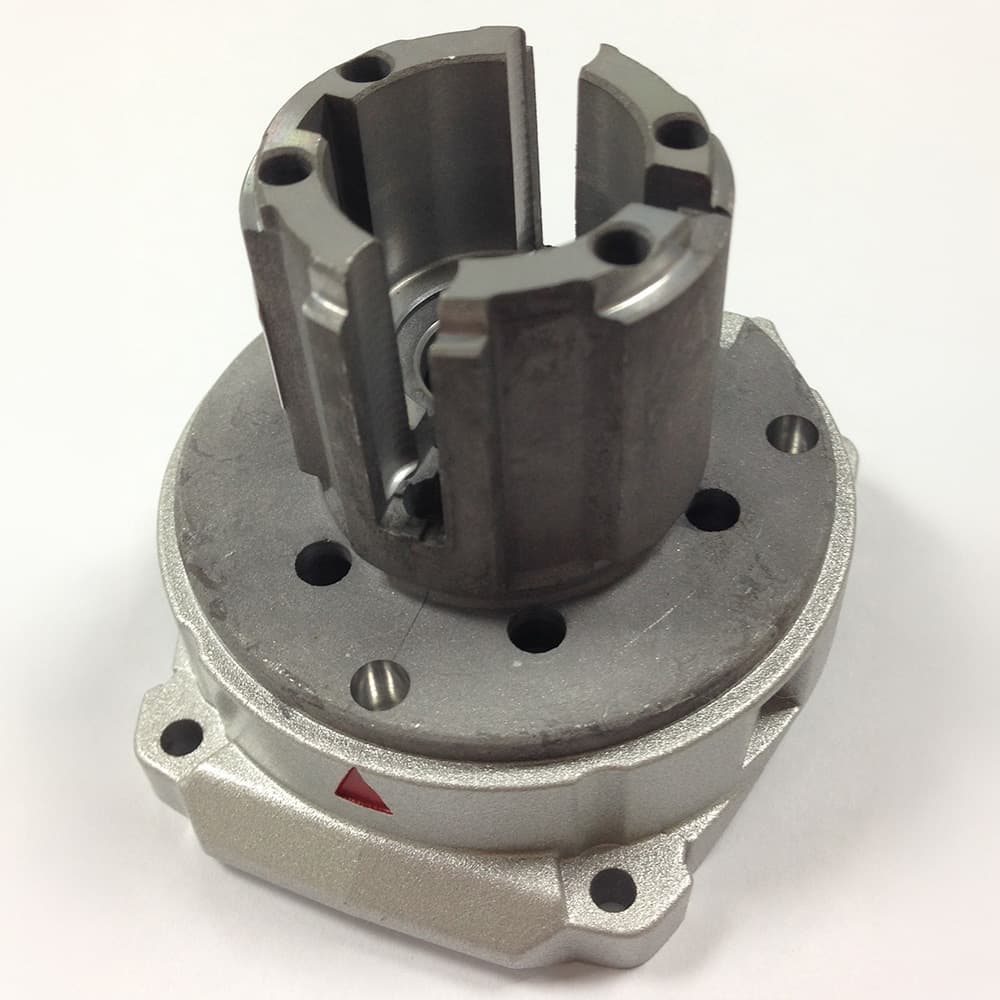
Aluminium alloy Ø57XH50mm paint treatment
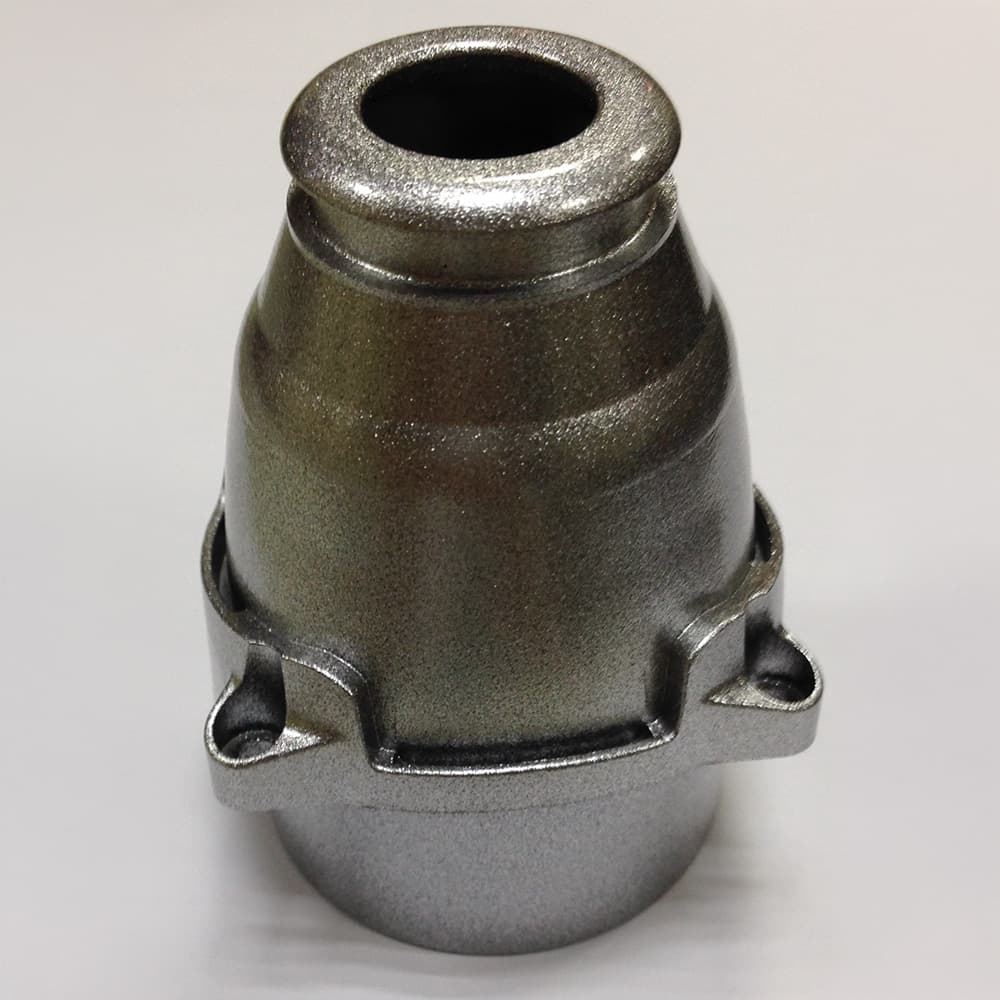
Aluminium alloy Ø50XH77mm paint treatment
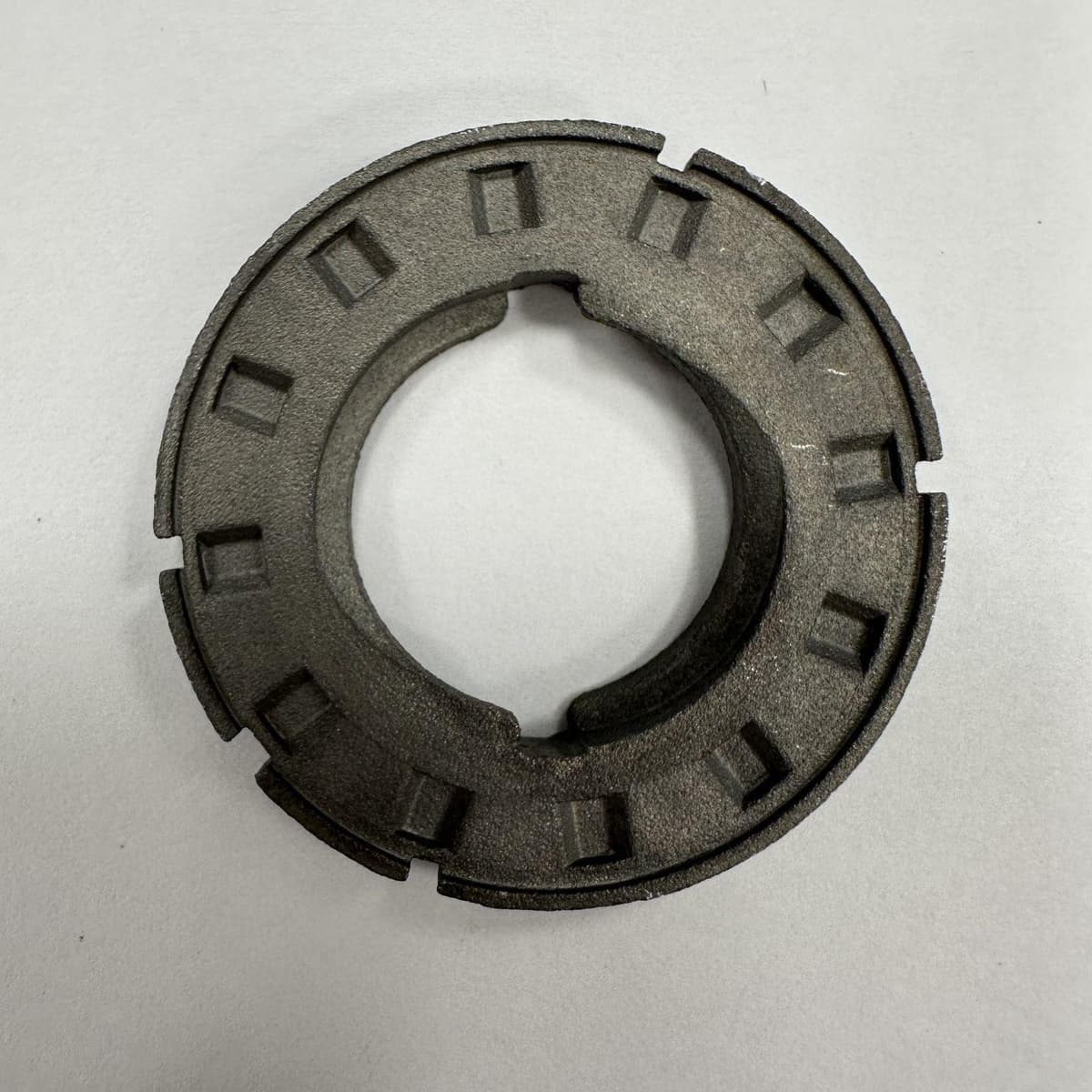
Aluminium alloy Ø35XH4mm anodized
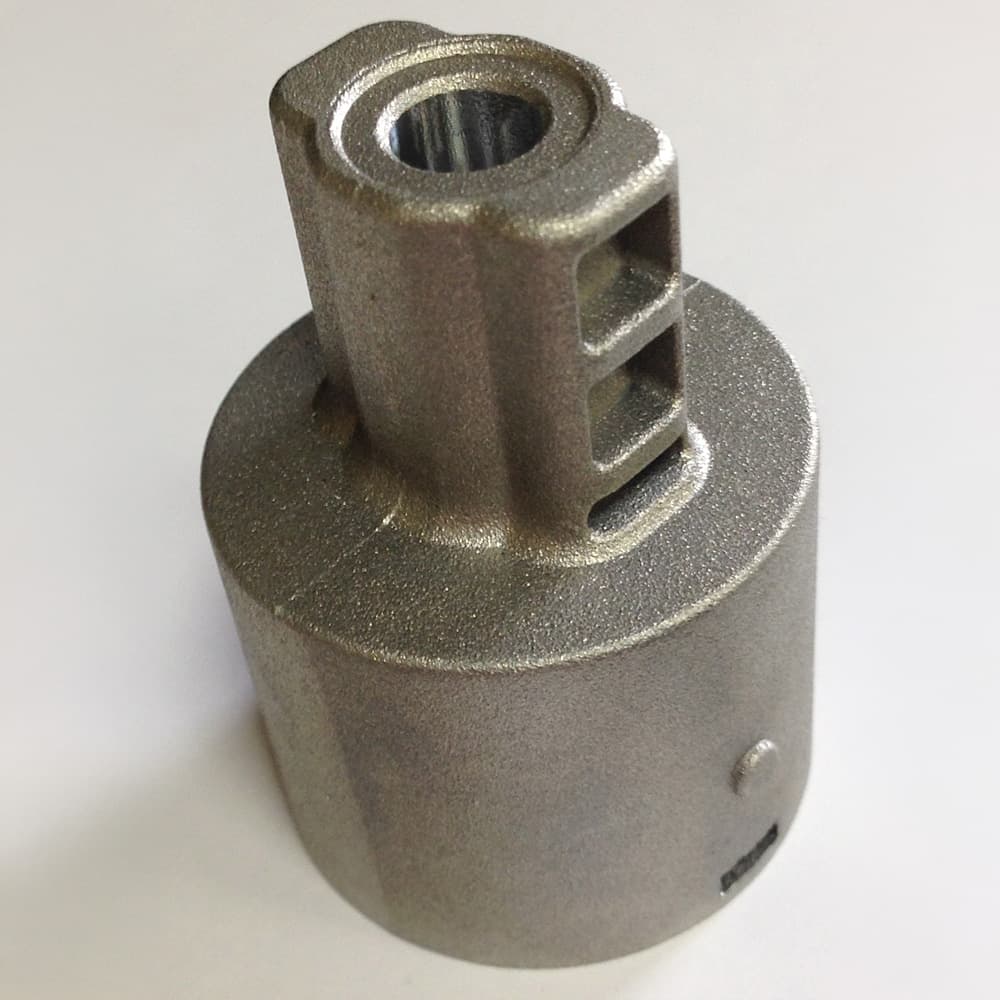
Aluminium alloy Ø39XH54mm sandblasted
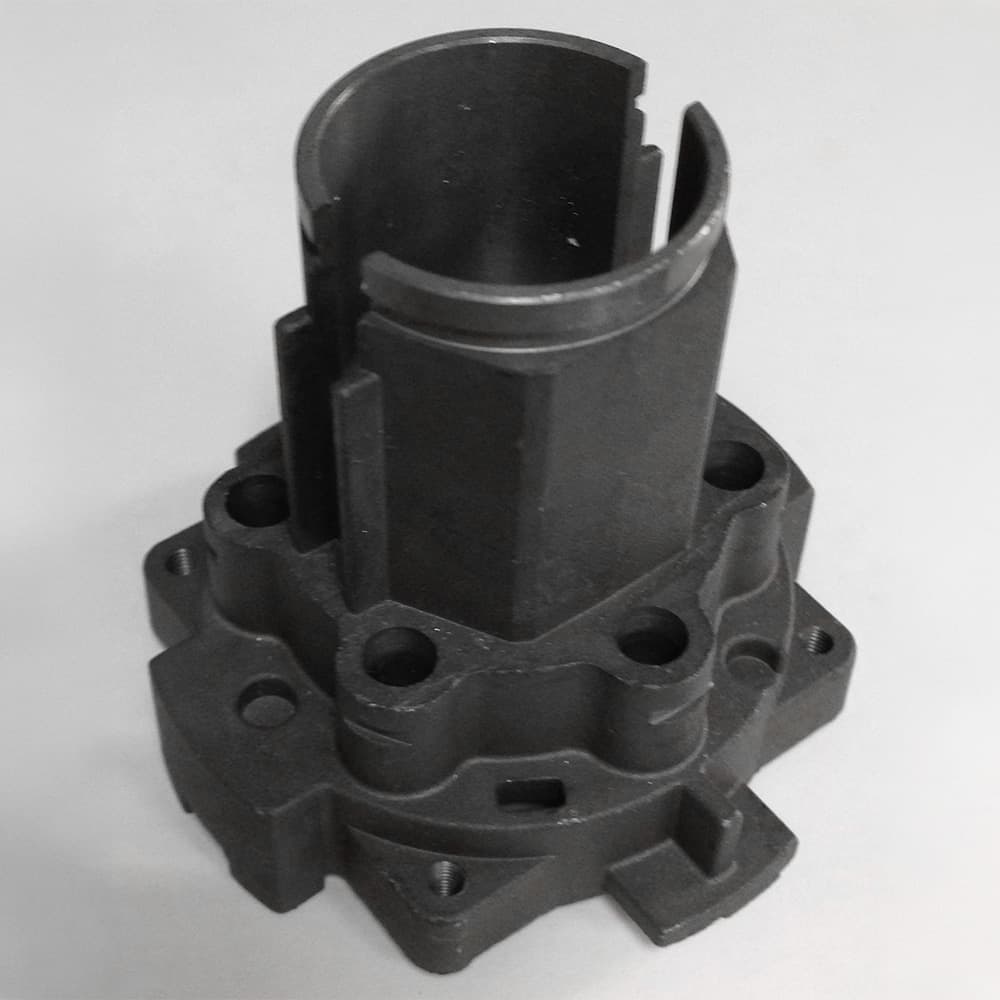
Aluminium alloy Ø57XH53mm anodized
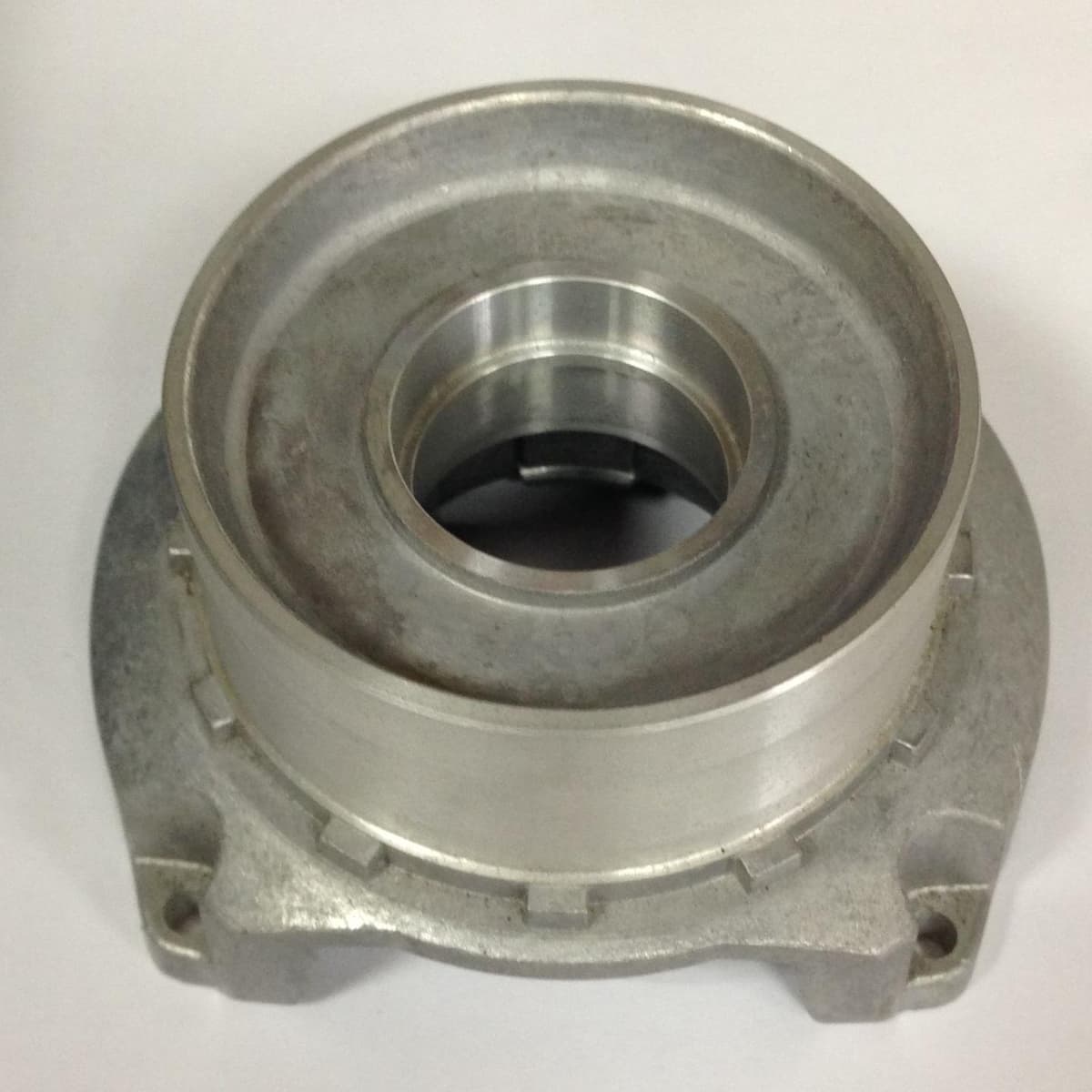
Aluminium alloy Ø65XH37mm CNC lathe
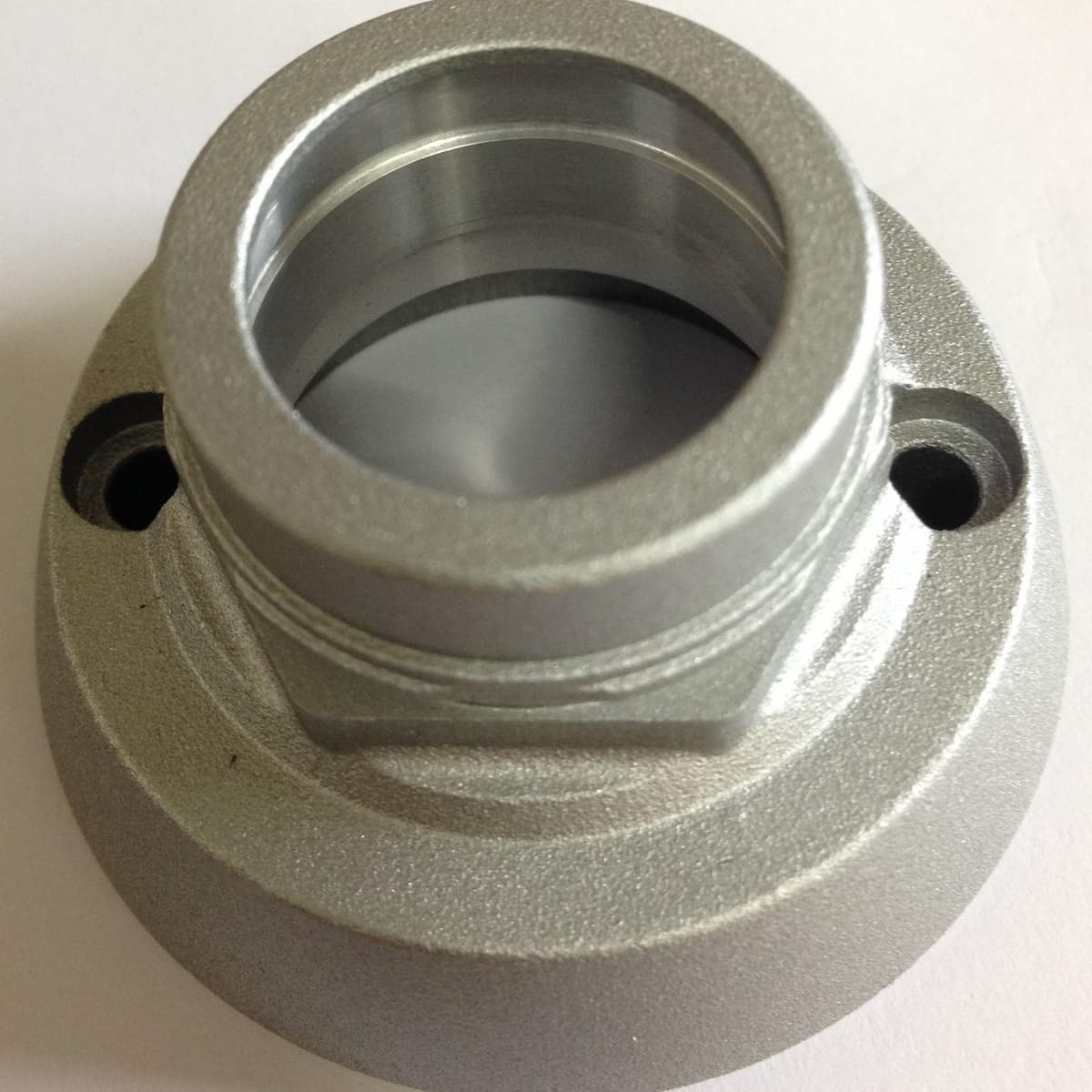
Aluminium alloy Ø54XH29mm paint treatment
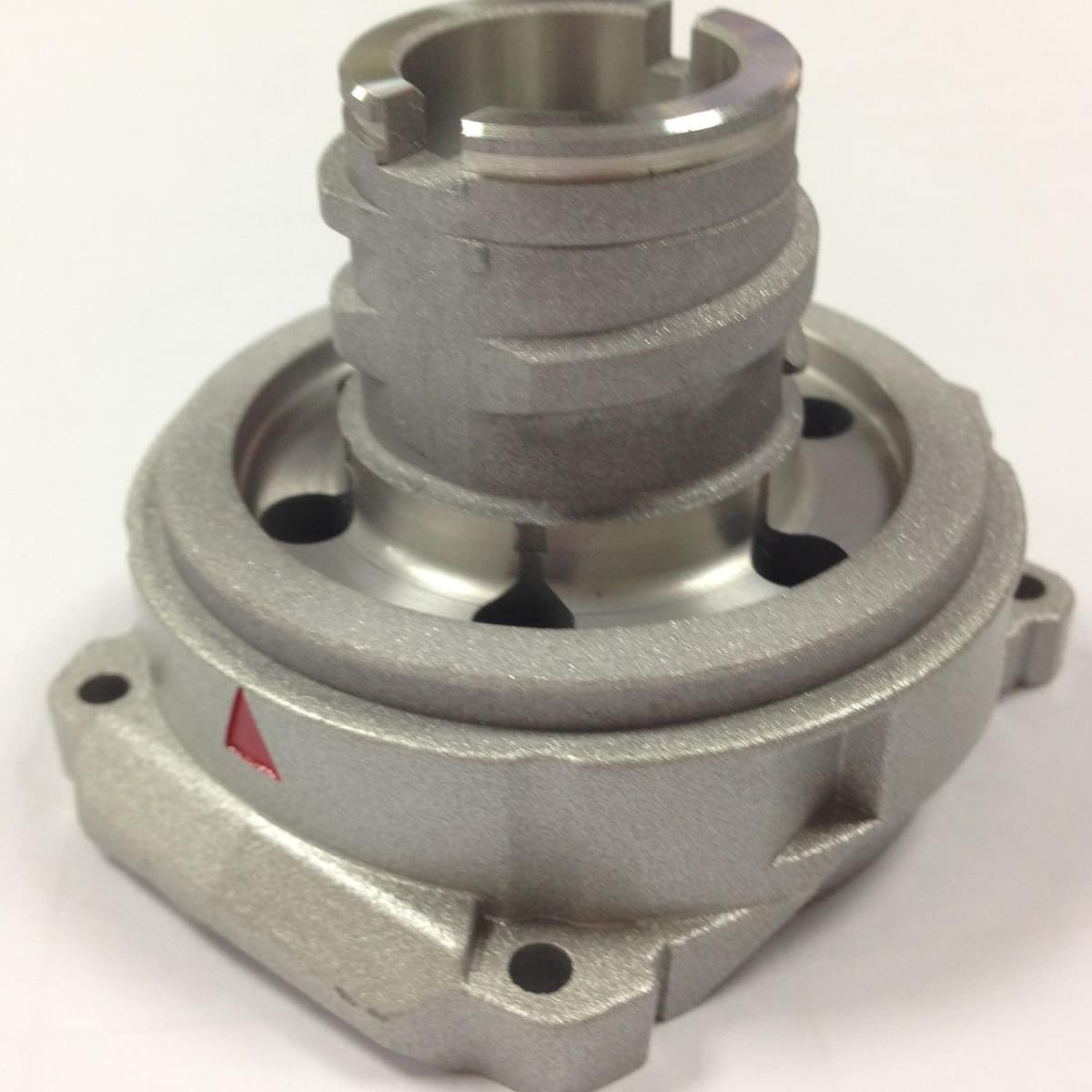
Aluminium alloy Ø57XH45mm paint treatment
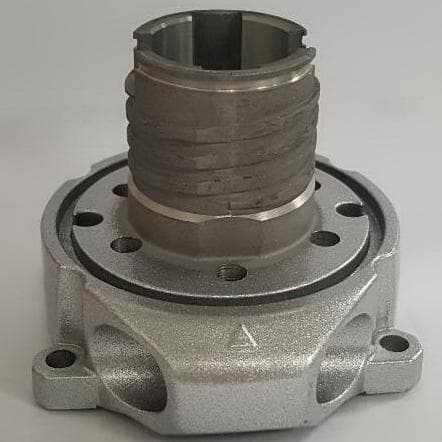
Aluminium alloy Ø70XH54mm paint treatment
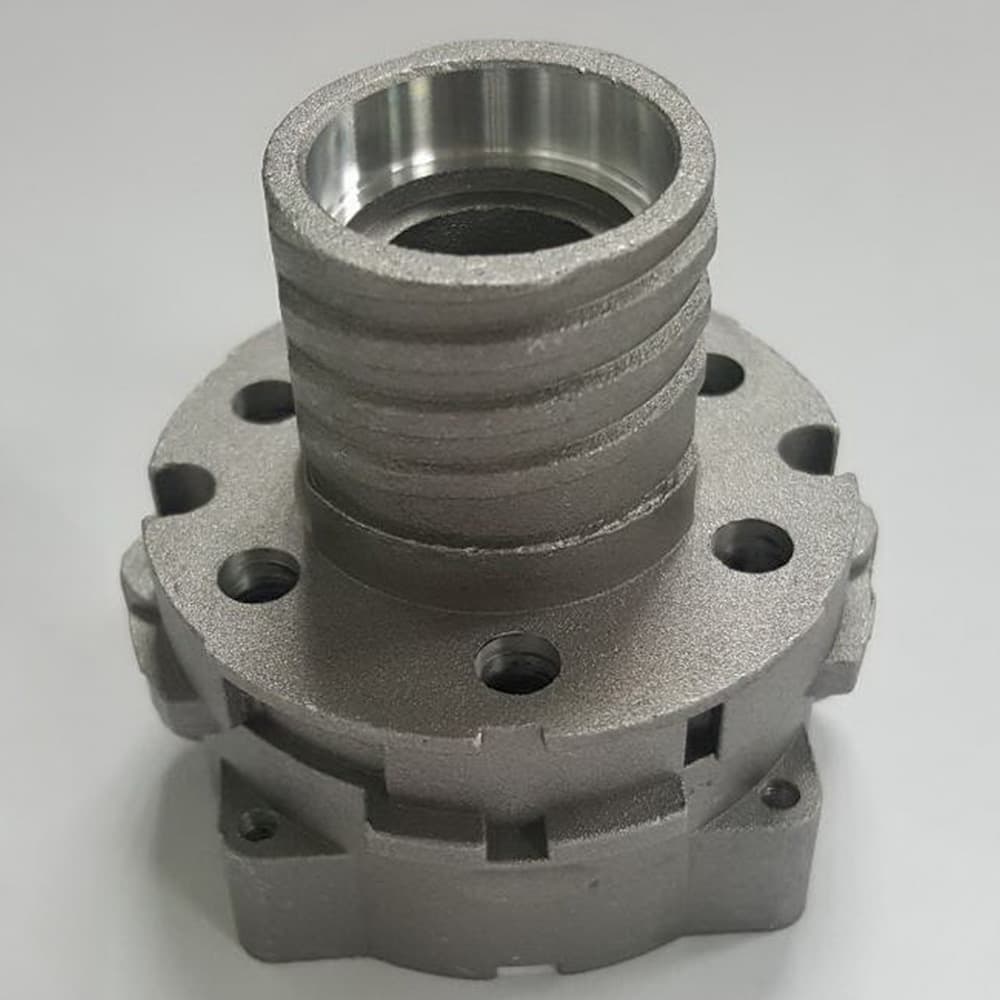
Aluminium alloy Ø49XH49mm drilling and tapping
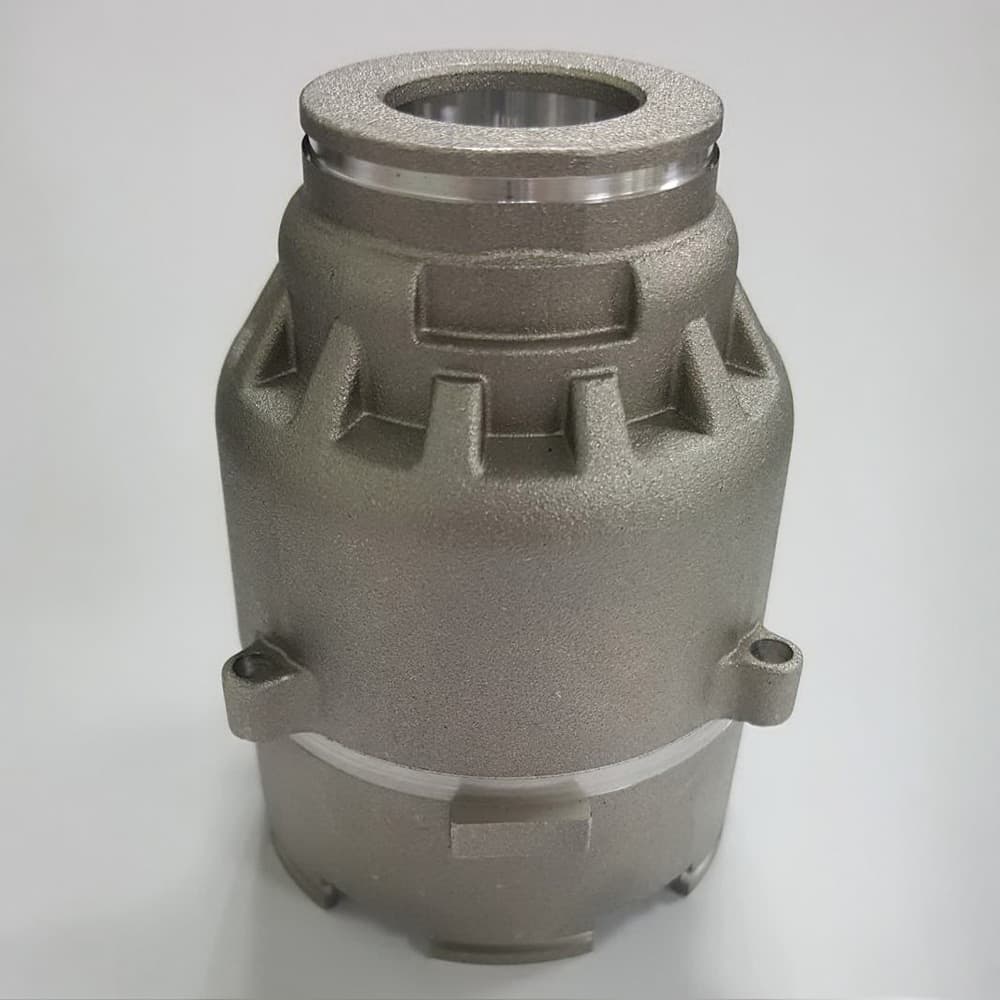
Aluminium alloy Ø50XH70mm CNC lathe
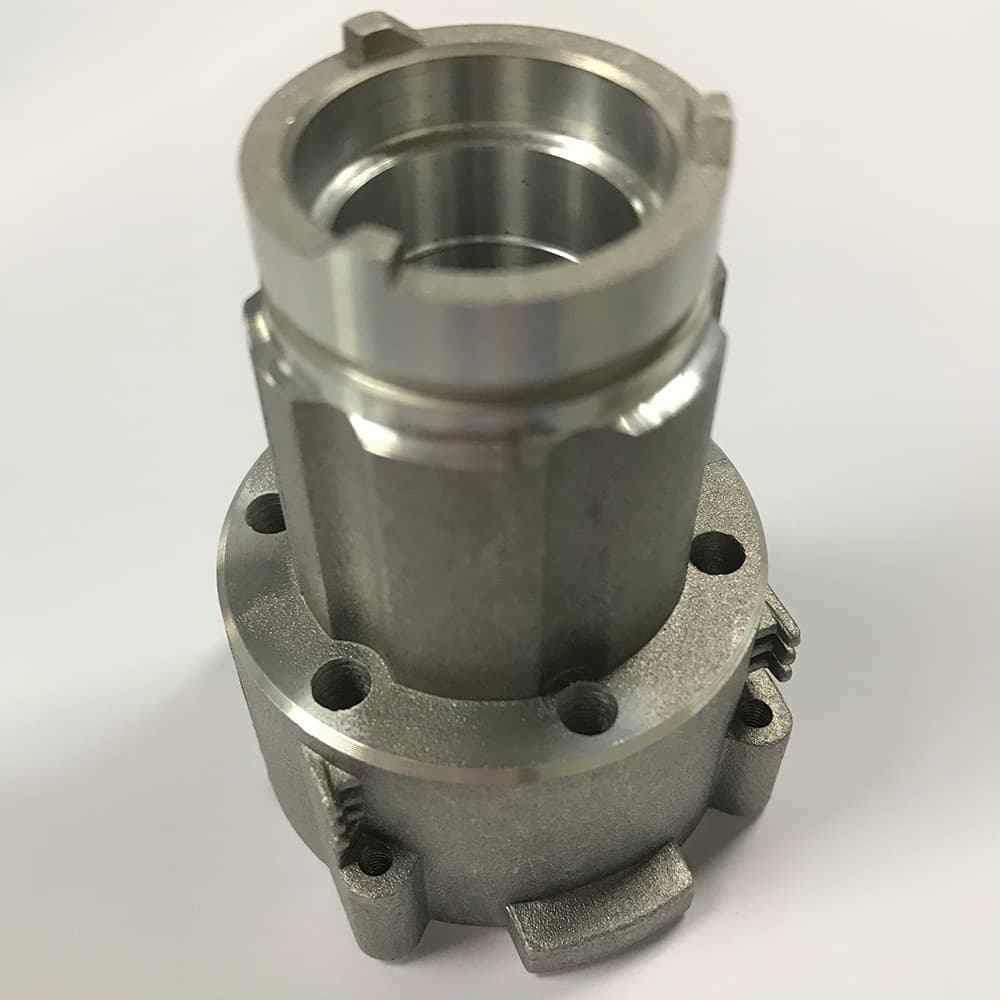
Aluminium alloy Ø51XH60mm CNC lathe
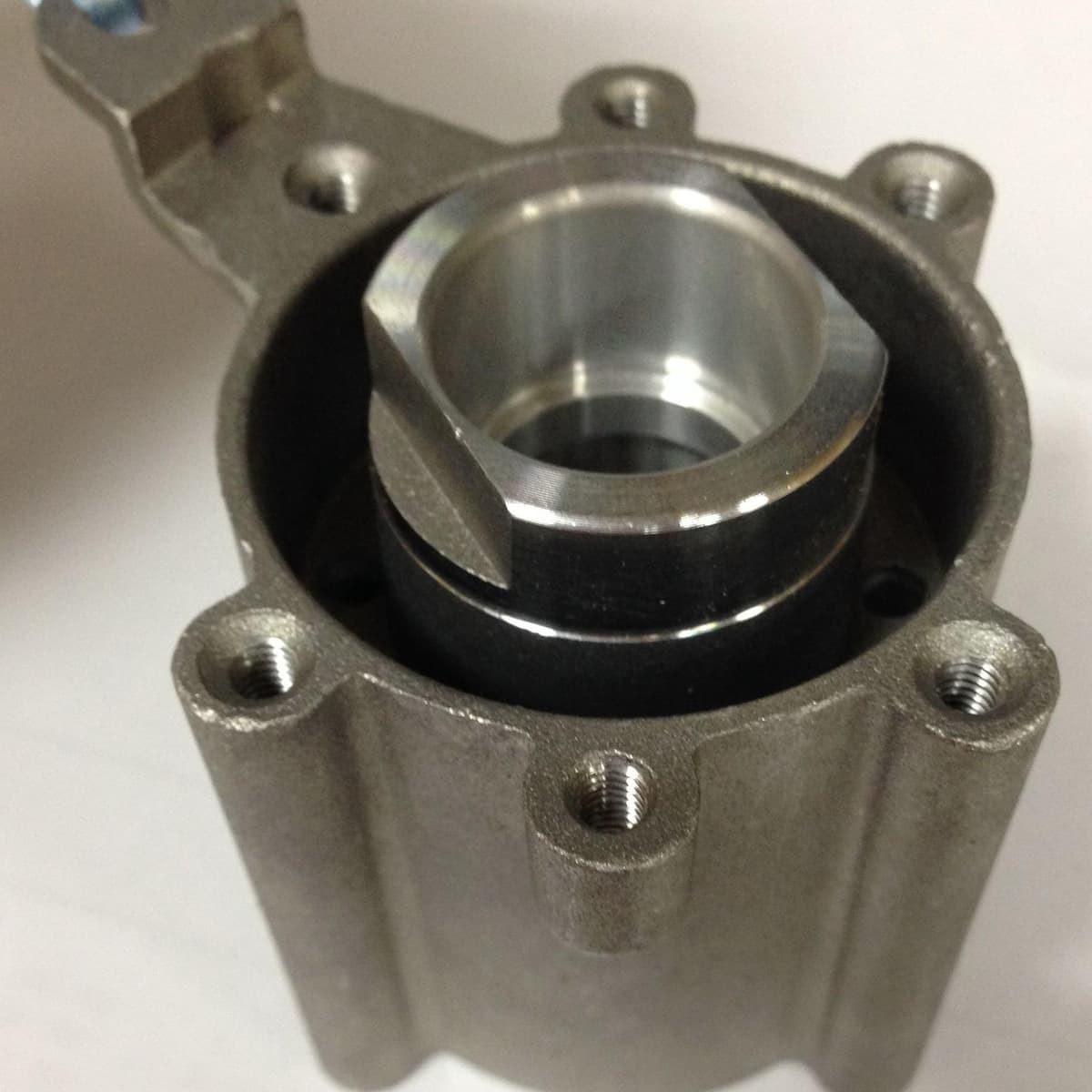
Aluminium alloy Ø41XH54mm multi-axis tapping
We use cookies
We use cookies to keep this site working and to understand how it's used. See our Privacy Policy