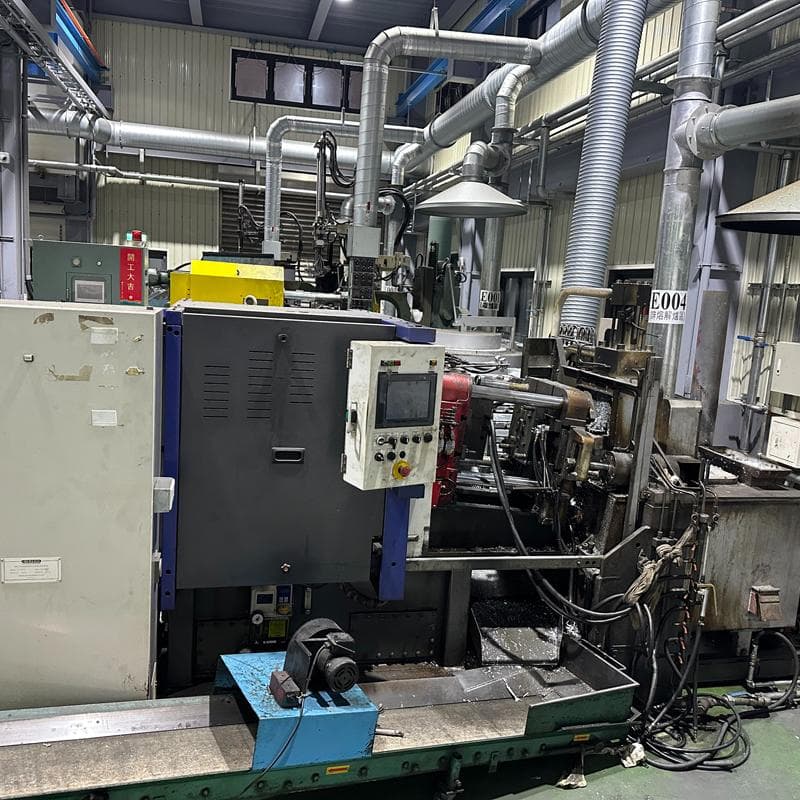
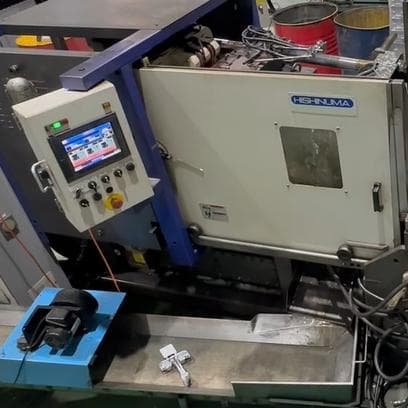
Zinc Die Casting
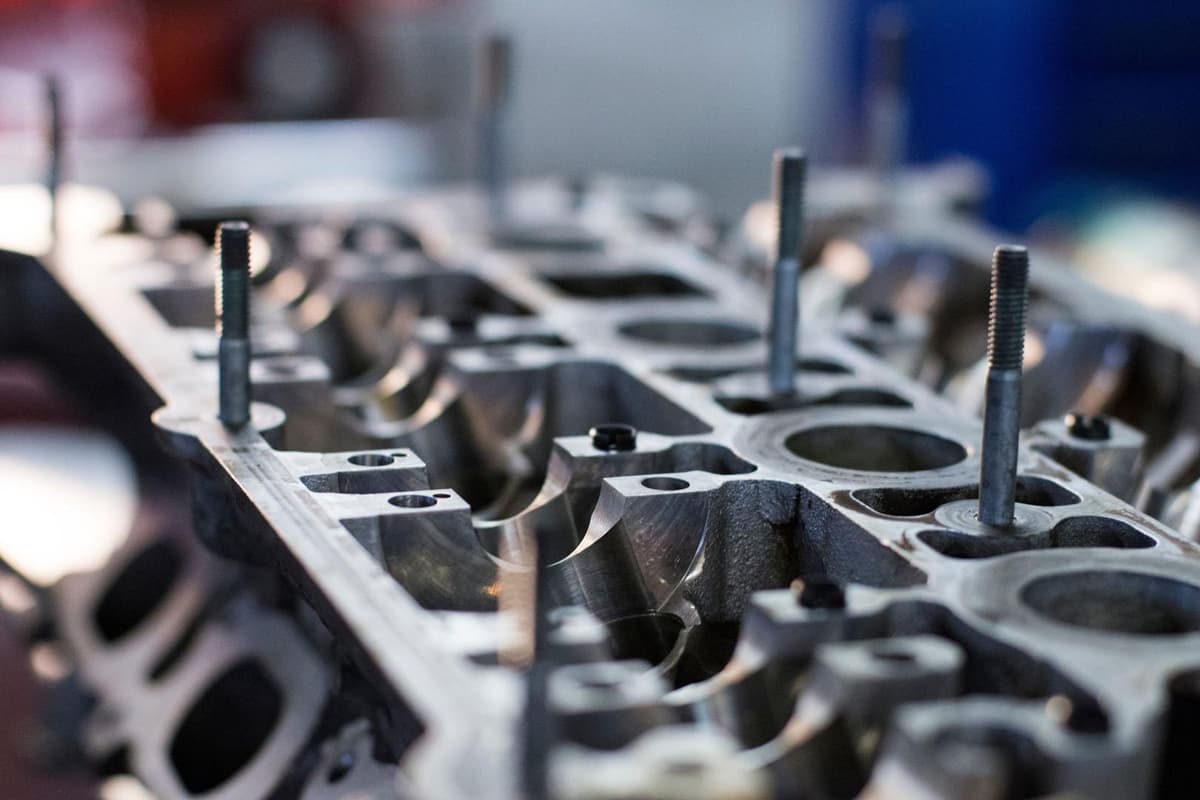
Zinc Alloy Cold Chamber Die Casting Process Steps
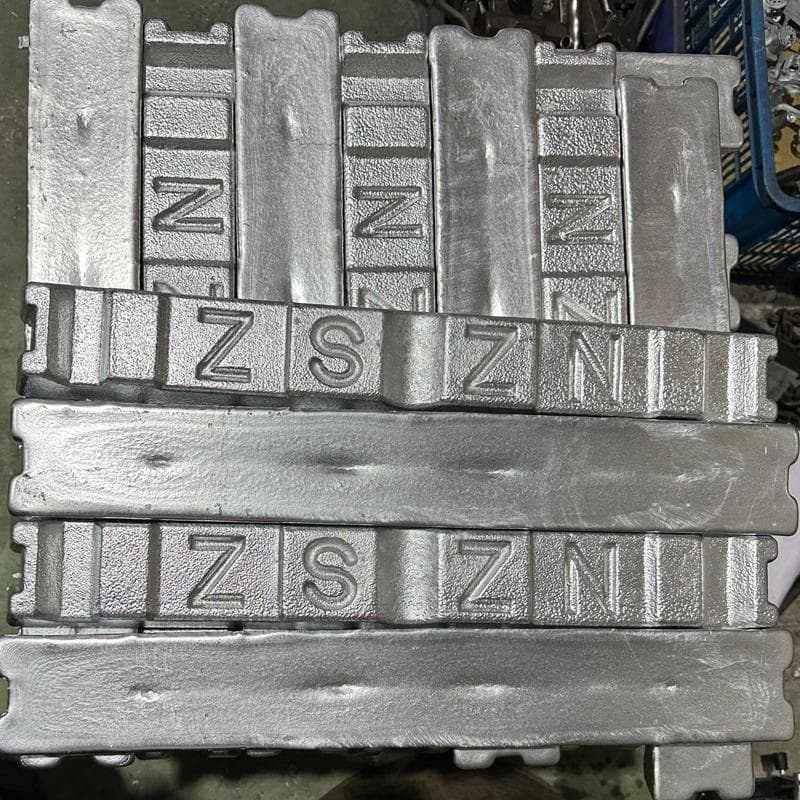
Step 1: Put the zinc alloy ingot (such as Zamak 3, Zamak 5) into the furnace next to the die casting machine and heat it to about 420°C.
Step 2: The mold is closed and high-pressure clamping is applied, and a very thin release agent is sprayed to ensure smooth demoulding of the finished product and to maintain a constant temperature in the mold.
Step 3: The piston pushes downward, squeezing the zinc liquid located in the gooseneck directly into the mold cavity. The filling speed is extremely fast (usually within 0.1 seconds), and it can fill thin walls with a thickness of only 0.3~0.5mm.
Step 4: The piston maintains pressure until the gate solidifies, preventing backflow of molten metal and compensating for cold shrinkage.
Step 5: The mold is opened and the ejector pin pushes the finished product away from the mold cavity. Due to the good toughness of zinc alloy, the demoulding angle can be designed to be smaller than that of aluminium alloy.
Step 6: Use manual or punch equipment to clear out the feed channel and overflow well.
*Zinc alloy die casting (Zinc die casting) has the advantages of high dimensional accuracy, excellent surface quality and good thin-wall forming capabilities. It is suitable for manufacturing parts with high precision and high appearance requirements. Our company can effectively control the process conditions so that zinc alloy die-casting products have good dimensional accuracy and stable quality.
Tong Jing’s Technology And Process Integration
1. Hot-Chamber Die-Casting Technology
Zinc alloy mainly uses hot chamber die-casting machines, which is the biggest technical difference with aluminium alloy "cold chamber die-casting":
• High-efficiency cycle: the pressure chamber is directly immersed in the molten metal, eliminating the need for manual or robotic arms to pour materials, and the production cycle is extremely short.
• Small pressure loss: The molten metal is directly injected into the mold through the gooseneck, and the filling pressure is more stable, helping to reduce pores and improve the density of the casting.
2. Ultra-thin-wall molding technology (Thin-wall Capability)
Zinc alloy has excellent fluidity, giving it an absolute advantage in the manufacturing of thin-walled parts:
• Limit wall thickness: The wall thickness of zinc alloy die castings can reach 0.3 mm (aluminium alloy usually requires 1.0 mm or more).
• Complex structure: Complex reinforcing ribs or fine textures can be designed in a very small space while still maintaining excellent dimensional stability.
3. Tooling Longevity
Due to the low melting point of zinc alloy, the thermal shock to the mold steel is small:
• Lifespan advantage: The average life of zinc alloy molds can reach more than 400,000 molds (aluminium alloy molds are only about 6-100,000 molds).
• Cost-effectiveness: Although the unit price of zinc alloy materials is relatively high, long-life molds significantly reduce the unit amortized cost of high-volume products.
4. High-quality surface treatment technology
Zinc alloy is the most suitable material for surface plating among all die-cast metals:
• Electroplating compatibility: Its dense surface layer allows it to be easily electroplated with copper, nickel and chromium, showing a mirror-like metal texture. It is widely used in bathroom faucets, locks and fine accessories.
• Direct forming accuracy: Excellent fluidity makes the casting surface smooth, and many parts can be directly processed for secondary processing without polishing after die casting.
Why Choose Zinc Alloy Die Casting?
1. High dimensional accuracy: Zinc alloy has good fluidity and formability, and can produce die-casting products with precise dimensions and high stability, which can effectively reduce the need for subsequent machining.
2. Excellent surface quality: The surface of zinc alloy die-casting parts is smooth and meticulous, suitable for electroplating, spraying, powder coating and other surface treatments, which can improve the appearance and texture of the product.
3. Good ability to form thin-walled and complex structures: Zinc alloy die-casting can produce thin-walled, precise hole positions and complex geometric structures, and is suitable for high-precision and high-integration product design.
4. High production efficiency: The die-casting process cycle is short, and mass production can be quickly carried out, improving production efficiency and reducing unit costs.
5. Long mold life: Zinc alloy has a lower melting point and less thermal impact on the mold. Compared with other metal materials, it can extend the service life of the mold and reduce mold maintenance costs.
6. Good mechanical properties: Zinc alloy die castings have good strength, hardness and wear resistance, and are suitable for various precision parts and functional components.
*Common zinc alloy materials
| Brand (JIS/ASTM) | Features | Typical applications |
| Zamak 3 (No. 3 zinc alloy) | Extremely high dimensional stability and the best electroplating effect. Zinc alloy die-casting standard is the first choice | Electronic parts casings, furniture hardware, locks, toys, automobile and motorcycle parts |
| Zamak 5 (No. 5 zinc alloy) | Higher hardness and tensile strength, and stronger ability to maintain shape at high temperatures | Structural parts, automobile gear sets, and hand tool handles that bear certain loads |
| Zamak 2 (No. 2 zinc alloy) | Highest hardness and strength | Industrial gears and mechanical bushing parts that require wear resistance |
| ZA-8 (high aluminium zinc alloy) | Strength is higher than Zamak series and lighter in weight | Parts with high structural strength but still need to maintain die casting production efficiency |
Application Industries And Finished Product Types
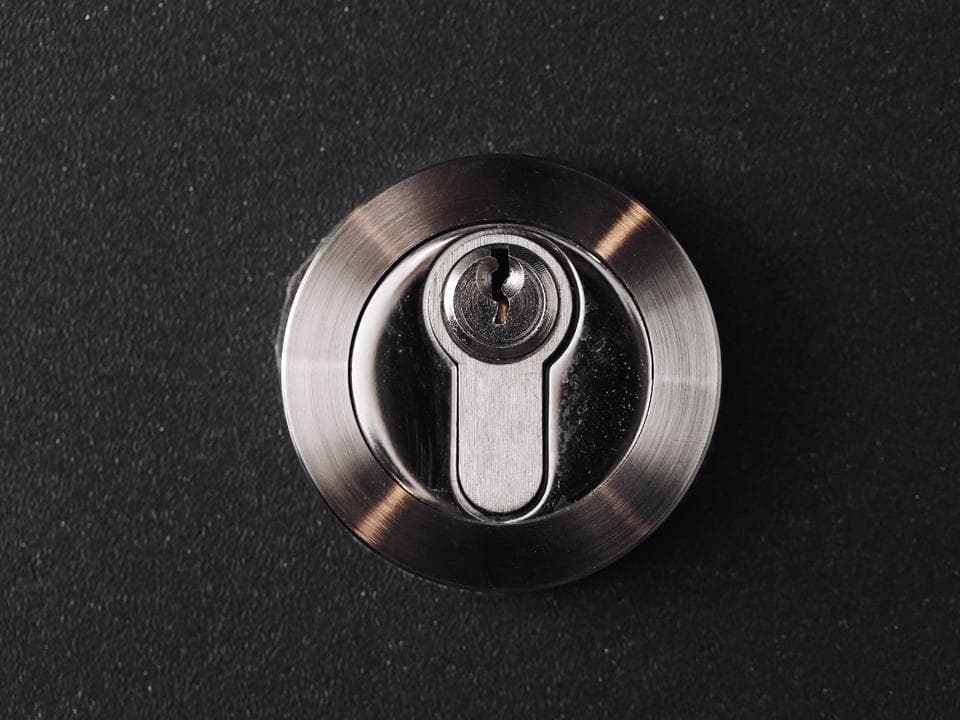


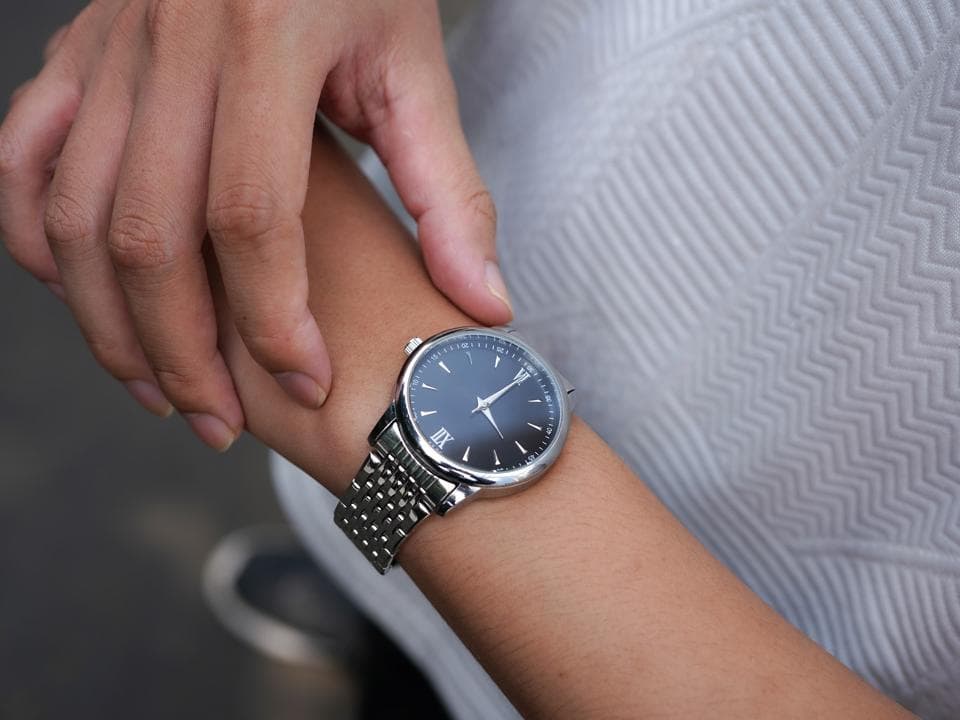

Zinc Alloy Die-Casting Display