Die-Casting Know-How

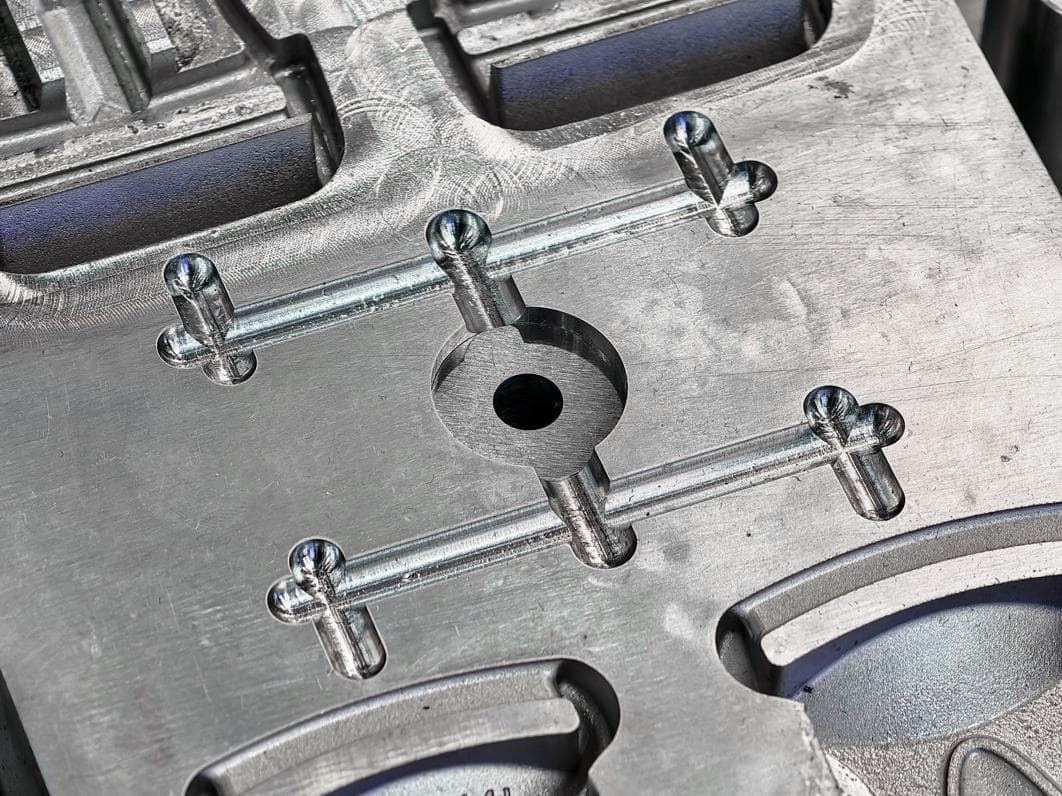
1. Mold Flow Analysis And Runner Design
The "soul" of die casting is 70% determined in the mold design stage.
• The golden position of the inner gate
Where the molten metal enters the mold cavity is very important. Make sure that the molten liquid advances in a "laminar flow" rather than a "turbulent flow" to avoid entrainment of air.
• Exhaust system and overflow tank design
The key is that when the molten soup enters the mold cavity, the air inside must be completely driven away. The overflow tank should be designed at the place where the molten liquid finally collects to "catch" the forward molten liquid with bubbles and cold materials, ensuring that pure metal remains in the product body.
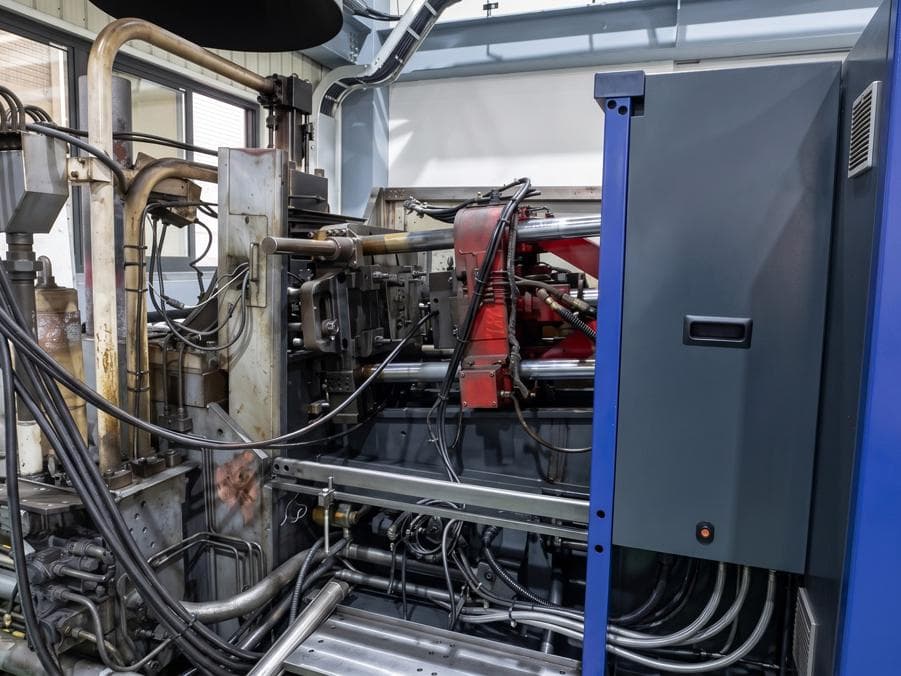
2. Parameter Adjustment Of The Three Elements Of Die Casting
Three-Stage Control Of Injection Speed
• Phase 1 "Slow"
When the molten soup has just entered the material tube, the speed should be slow. The purpose is to push the molten soup smoothly and prevent waves from being involved in the air in the material tube.
• The second stage "High Speed"
When the molten liquid reaches the inner gate, it instantly accelerates to 2 ~ 5 m/s or even higher, filling the mold cavity within one hundredth of a second to prevent the metal from solidifying prematurely.
*Turning point: The timing of switching from slow speed to high speed requires extremely precise displacement sensing and adjustment experience.
Supercharging And Supercharging Timing
At the moment when the mold cavity is filled, an extremely high casting pressure is applied to forcefully "squeeze" the molten liquid into the crystal gap, which is used to compress and crush the tiny pores. If the pressure is increased too early, the mold will be locked, and if it is pressurized too late, the feeding effect will be lost.
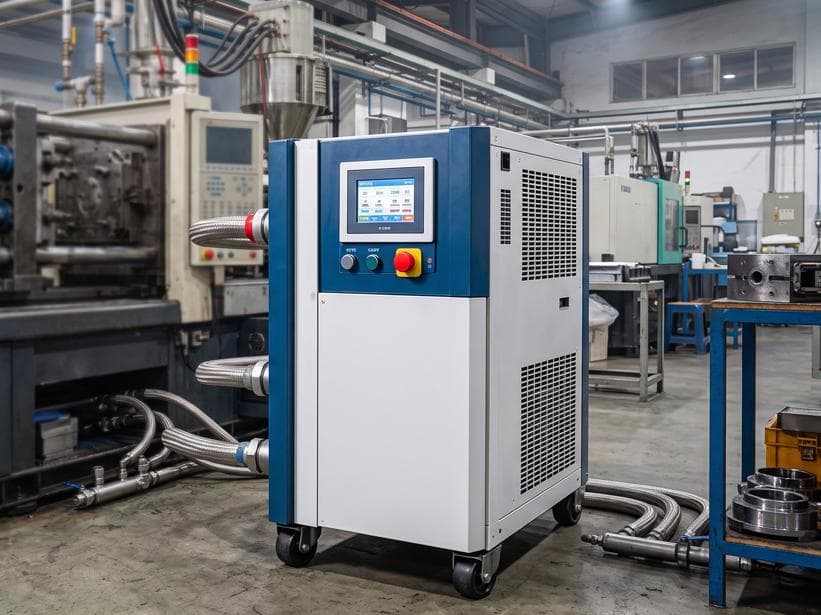
3. Mold Temperature Control
Uneven mold temperature in die-casting molds is the main cause of deformation, cracks and flow marks in castings.
• The mold temperature is "too high"
The metal solidifies slowly, the cooling time is prolonged, and shrinkage cavities (shrinkage holes) are likely to occur, and the casting is easy to stick to the mold and eject deformation.
• Mold temperature "too low"
The fluidity of the molten soup becomes poor and it solidifies prematurely before it is filled, resulting in cold seals, flow marks or lack of material on the surface of the product.
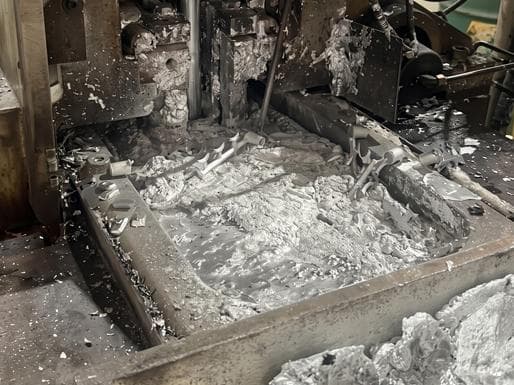
4. Raw Materials And Smelting Management
The recycled materials must be kept absolutely dry and clean before being put into the furnace, and there should be no oil stains or electroplating waste on the surface.
• Zinc alloys strictly control harmful impurities
Composition reports must be required when feeding materials to confirm that the contents of lead Pb, cadmium Cd, and tin Sn are controlled within the strict ppm level. Exceeding the standards will cause the product to automatically expand, deform, or even crack after a few months.
• Aluminium alloys are strictly moisture-proof
Aluminium ingots and recycled materials must be kept absolutely dry before being put into the furnace. Any moisture entering the high-temperature aluminium bath will trigger a violent "water gas reaction" to produce a large amount of hydrogen, and even cause a water vapor explosion.